Believe Your Eyes!

Image

In this ancient city of  Varanasi, (Benaras, Kashi) sacred bulls can be seen walking up  and down the stairs (ghats) to access the Gangi for drinking water and bathing.

Namaste. . . . .T I I

image from Google Public Domain

This post and this picture along with a post on Mr. Modi have been my most popular. I am including my very long post and video on Veransi.  It is my favorite place in all of India! It is for those of you who have time and an interest in faith systems around the world. India is multi- layered and complex society as is Hinduism , the  main religion of this amazing country.

Veranasi, City of gods

Posted in Animals, India, Travel | Tagged , , , , , , , , , , , , | 45 Comments

T J , My Favorite Old Dead White Guy

thomas-jefferson-640

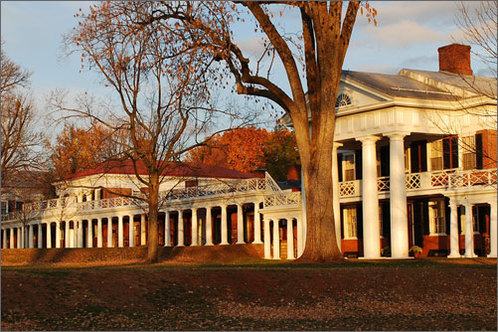
Growing up just thirty-five miles from Charlottesville in Virginia, spending graduate school years with my husband, and having my son graduate,  I hardly had a choice.  Everything was Mr. Jefferson this or that.  Don’t get me wrong, I love Charlottesville and all that is Jefferson.  When my husband was there in grad school for architecture, I encouraged him to learn as much as he could about Jefferson.  Being young and foolish, he was all about contemporary design and had little time for the history.  Now , of course, I have been proven correct. He is writing about  the amazing academical village and innovative plans and ideas Mr. Jefferson had in  building his university.

The older I get , the more I admire Jefferson.  He was not a perfect man  just like the rest of us. It is comforting to know that a man of such brilliance, insight of ideas, and imagination  struggled with the insanity of slavery, overspent his budget “big time” leaving his estate deep in debt on his passing, probably fathered children with a slave woman, didn’t set his slaves free even after his death, and  struggled with his faith and  ideas pertaining to it.  Thomas Jefferson at the age of 27 wrote the Declaration of Independence which is one of the most important documents in our history. Yet his slaves were never  declared independent.

We took a 3 day road trip to Charlottesville for David to check out some detail of the lawn and range he needed for his book. I thought I would share some of the amazing photos of the Academical Village, Jefferson’s revolutionary idea for the University of Virginia. Jefferson planned his grave marker with the three accomplishments he was most proud of which you see below.  Notice that being president was not one of them.

jeffersonthomas

Jefferson wanted the students and faculty to live and learn together.  The large domed building was the Rotunda or library as the central focus. There was a lovely green lawn connecting  student rooms and pavilions for classrooms and faculty housing on either side. Even today, it is a great honor to live in one of these original rooms where heat is  from a wood fireplace and the bathroom is down the way.  The faculty who live in the pavilions are  there  because of the great contribution they have made to the university and the academic world community.

Jefferson was  a self-taught architect. He studied classical architecture from books and never visited Rome or Athens. This idea was another extraordinary gift Mr. Jefferson gave to  Virginia.  The  site has won much worldwide  recognition for architectural excellence.    The  really neat thing is that students and dogs with balls, Frisbees, and picnics can sit, play,  and enjoy “the lawn” anytime they want!

“For Thomas Jefferson, learning was an integral part of life. The “academical village” is based on the assumption that the life of the mind is a pursuit for all participants in the University, that learning is a lifelong and shared process, and that interaction between scholars and students enlivens the pursuit of knowledge.”

UVA_The_Lawn

 uva

SONY DSC

university_of_virginia_rotunda_20065107ec8925dac.image

5107ec8a8c9b3.image

Thank you  “T J” for your vision, your leadership, your inspiration, and this amazing place . . . you are a  ROCK STAR!

Namaste…….This is the  U S A

Posted in Architecture | Tagged , , , , , , | 11 Comments

Dreamers and Doers

Image

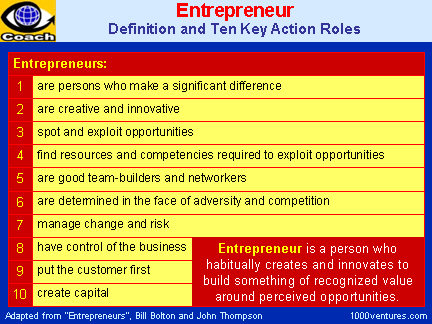
India is full of entrepreneurs…they are everywhere. People here are bursting the edges of society and living on the streets, eating on the streets, working on the streets,  and must work to survive on the streets. All over India there is a demand  for  innovative services that quite frankly fit into the definition and action role listed above.  Granted many people just give up to the challenges of life, but there are  some enterprising people with ideas and a strong work ethic who take advantage and if not thrive…. at least  survive. This is evident just walking down the street….any street, in any city in India.

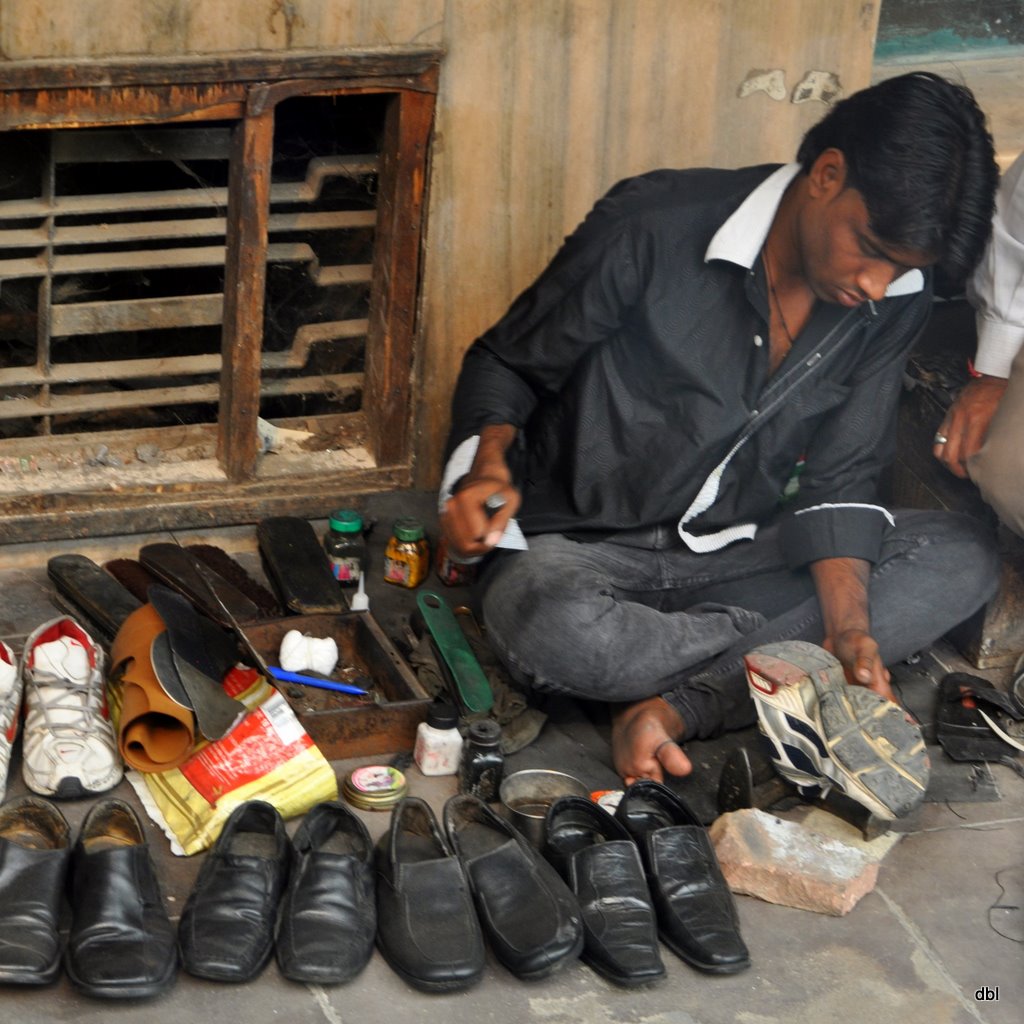
A man helping shoes  last just a little longer.

DSC_0278

Image

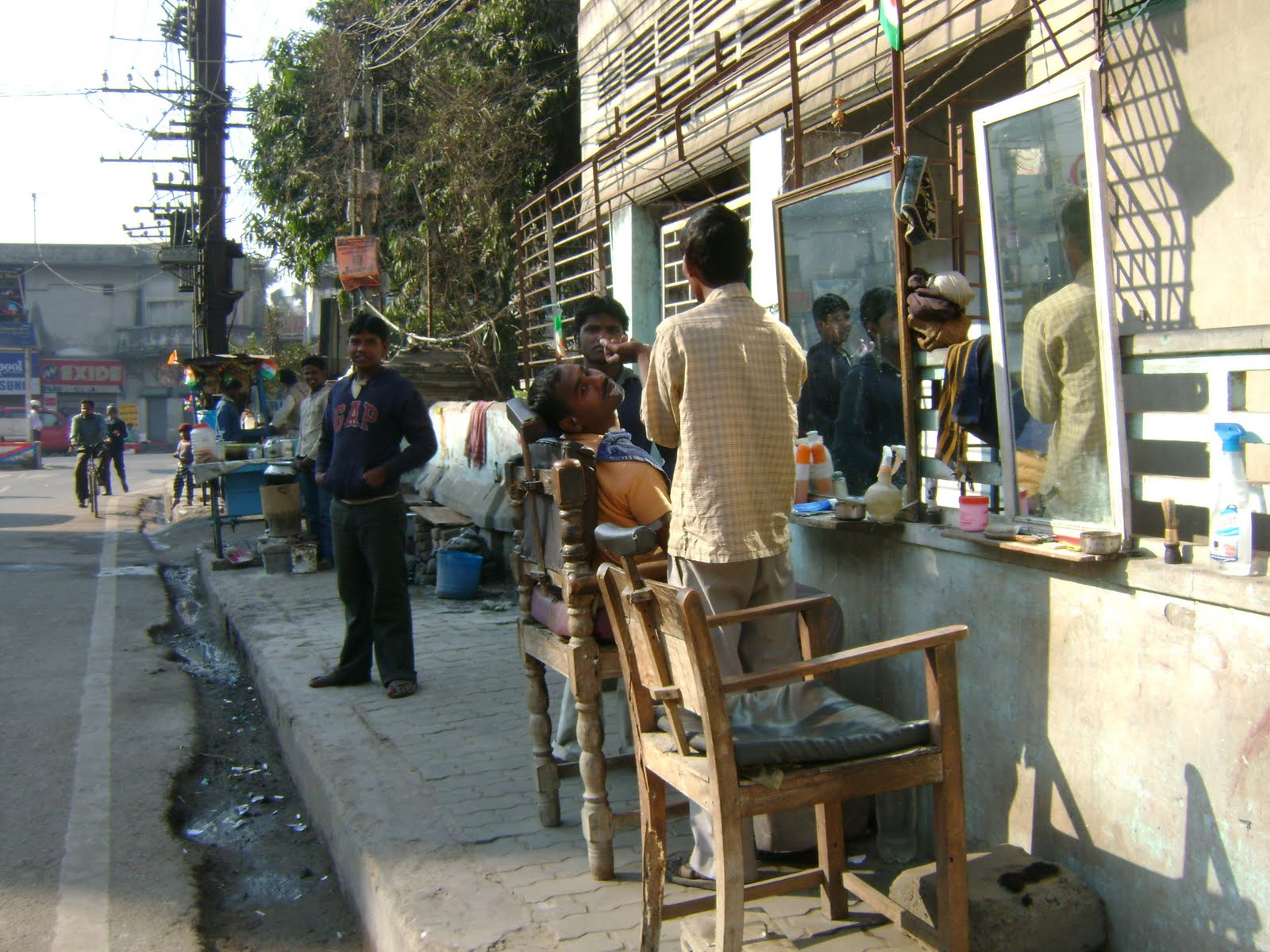
A barber adapting by setting up shop on the sidewalk to shave and cut hair using the  windows as a mirror.  Does he have a line forming  to wait for his services?

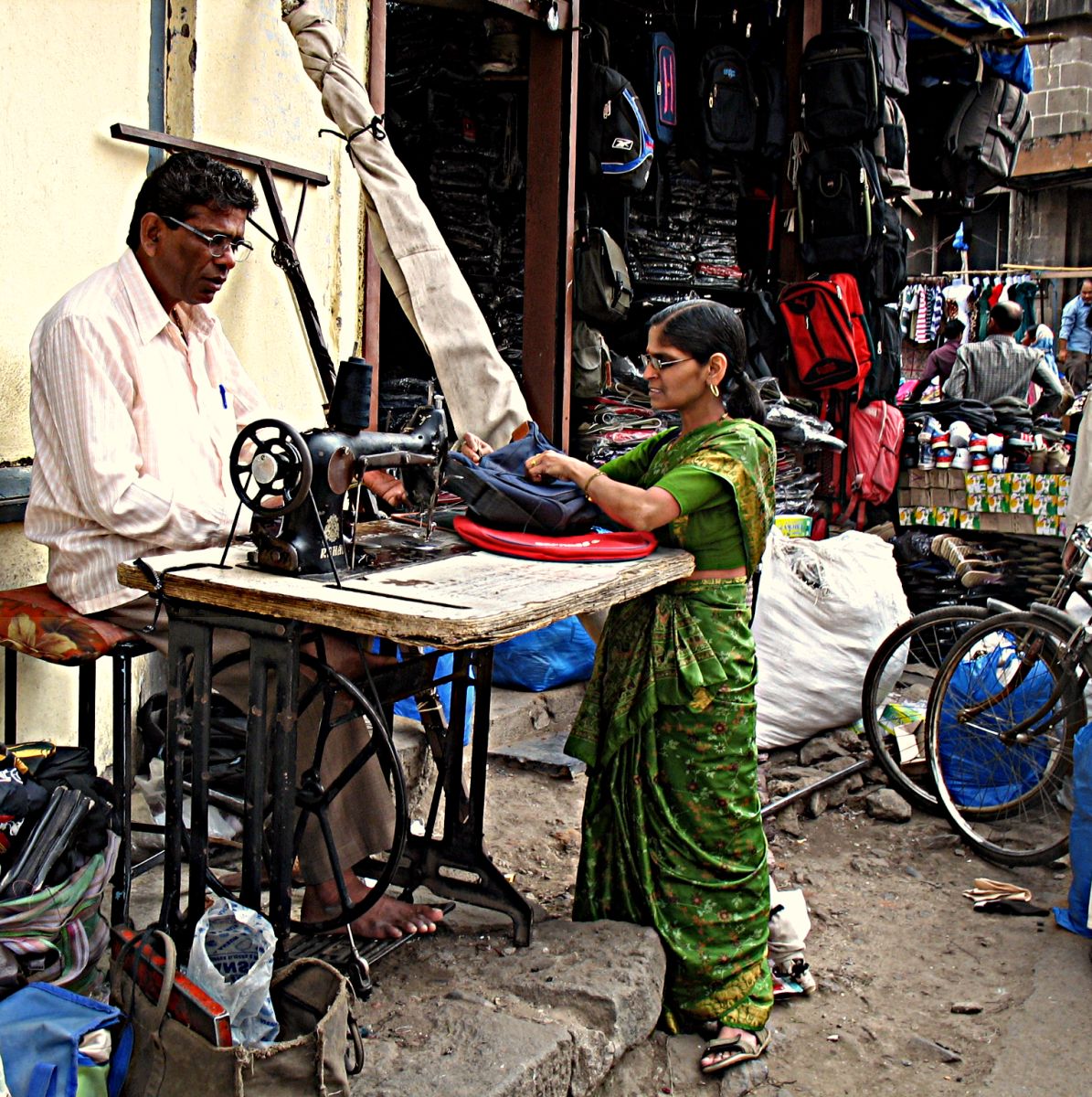
Image above image by Nita Jatar Kulkarni  from: http://www.stockpicturesforeveryone.com/2011/09/tailors-in-shops-and-stalls.html

This man has an strong sewing machine to do those pesky jean hems.

6801520647_087922bf70_z

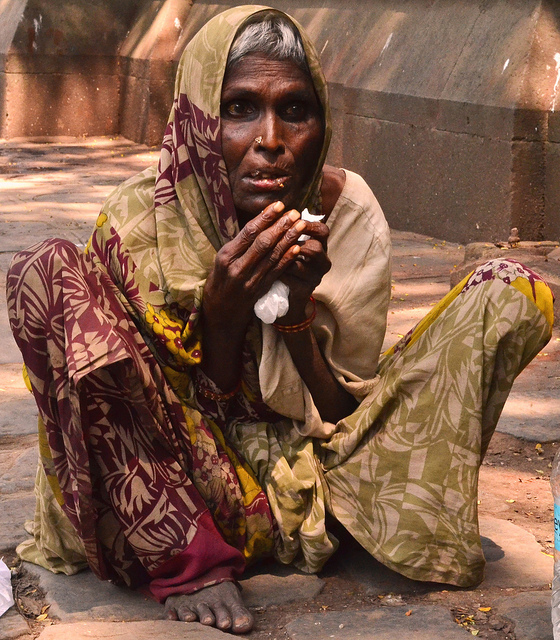
An old woman whose only work is to beg as the sight of her, makes your heart ache.

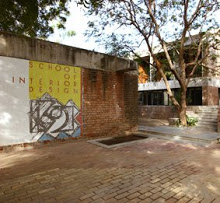
Now I would like to introduce you to three men who are not of the poorest of the poor in Ahmedabad, but are entrepreneurs in their own right.  The first is “copy man” because I don’t know his name, though he had a huge presence on the campus of Cept University. Designers need  plans and copies  made frequently.  The dean told us his story.  “CM” began in a small neighborhood copying  shop. He learned from a friend of the need of such a shop at Cept. When he had the wherewithal, he opened  a  shop in a small building near the canteen. sid image blog profile

Word spread quickly through the design student and faculty that  “C M”, if notified of due dates, would stay open late into the night or open earlier in the morning to copy and plot last minute drawings!  The dean told us that business was so good that just the day before, a very special machine was delivered. It is connected to a computer in Japan!  Copy Man’s work ethic and commitment of service to his customers is paying off.

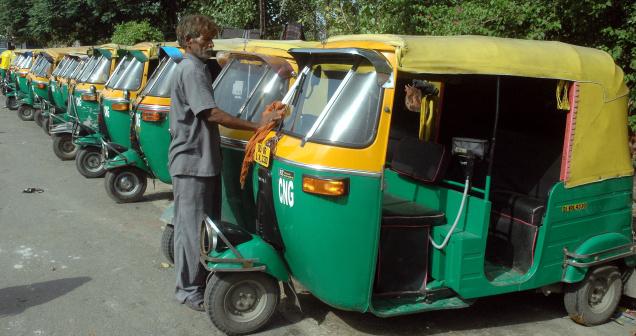
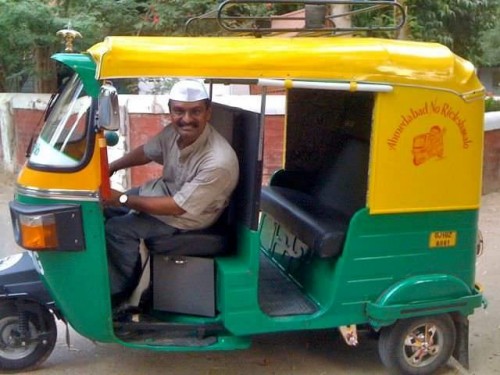
Next, I want to introduce you to Salim and Mohamed, who are Muslim, and are partners in a thriving rickshaw business in the old city. I mention their religion only in passing because much has been in the news lately,  that Muslims have fewer financial opportunities under the present governor than Hindus. This is not true for these two enterprising men.  They actually have a fleet of 20 rickshaws to accommodate large groups and their place of origination is in the front of the House of MG which is the Heritage Hotel of the old city.  It is a wonderful location with elegant accommodations, but that is another post.  There are lots of architects, academics, and other tourists ,who are interested in seeing the  world renown architecture  in Ahmedabad  designed by two of the great modernists, Louis Khan, and LeCorbusier. Salim  and Mohamed have made themselves familiar with architectural sites that tourists come here  to see. They know the hours, places, details about the  sites and can  provide background information.  They charge $3 an hour either to drive, wait, or serve as guides at the sites. When we were on one of the architectural tours  to see Corb’s villas, Salim  suggested a visit to a blood collection building that David was not familiar with. We went on his suggestion and it was wonderful piece of contemporary architecture.

These men work 7 days a week, They will come to pick you up for a reservation trip or you can find them at House of MG. They had no education in architecture, or art, but know their city, and what targeted tourists want to see.  Their cards are passed out as ” must have guides.”  They are bright, personable, and self-educated, as well as very hardworking.  I don’t know any details about Salims family as he was the introverted one.  Mohamed  had quite the opposite personality. He told us very proudly about his children. His son is college educated and a manager at a new hotel.  His daughter is a doctor.  These men saw a need, made a plan, worked hard and they and their families  are benefiting. They are “dreams and doers.” AUTORICKSHAW_STRIKE_DE_924f

udaybhai-500x3751

Namaste. . . . .T I I

Posted in India, Travel, Uncategorized | Tagged , , , , , , | 23 Comments

Pondicherry Blessing

tumblr_mf2cqz9vUD1rnppvlo1_1355560730_cover

The opening scenes of Life of Pi were shot in Pondicherry; the Indian city that is forever a piece of France. You will see it in the lush gardens, French mansions, elegant walkways, and in the nickname Indian Cote d’Azur.  The French colonial city is reminiscent of Montreal and New Orleans with its  grid plan, shaded boulevards, and even a stature to Joan of Arc.  Pondicherry remained fully French  until 1963 when  it gained  independence from France a full sixteen years after India became independent from Britain.

Well, the title mentions blessings in Pondicherry so here is the transition. . . .  In  Pondicherry,  Pi began exploring  spiritual questions which lead him on a  spiritual journey.  The beginning of his physical journey also began from Pondicherry. It is another Indian city with a strong spiritual history.  In  1922, the Pondicherry Ashram and Retreat started  under the teachings of Sri Aurobundo.7289823

The purpose was to live and work together with no specific religion but with surrender to the divine and opening life to that power. Members must work each day for the good of the group as a whole.The society grew and some  members moved to the rural area near the city, called Auroville.  From their website, this is their description of purpose:

“Auroville wants to be a universal town where men and women of all countries are able to live in peace and progressive harmony above all creeds, all politics, and all nationalities. Its purpose is to realize human unity. Pi was not the only spiritual pilgrim in the vicinity of Pondicherry.matrimandir

This is the matrimmandir at Auroville. It was built as the , “answer for man’s  inspiration for perfection.”  David’s  students were very disappointed not to be allowed to enter.  It is for the pilgrims who live and work there.  If you make a request, one week before arriving, you may be admitted.  No amount of  discussion by the professor worked.   So we didn’t see the interior.  And yes, that dome is gold.  The building has won awards for outstanding and original architecture.

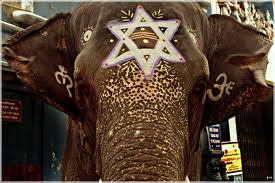
Back into Pondicherry for a visit to the Elephant Temple or Genesh Temple for a Hindu blessing. This section of the city is forever Hindu.  Genesh  is one of the most popular Hindu gods accepted by Jains and also Buddhists.  He is the remover of obstacles and easily recognized with the elephant head. The elephant is  thought to be the living form of  the god.  The six pointed star is a sacred symbol not only in Judism, but also Hinduism and Islam.

images (10)

Blessed-in-Pondicherry-Tamil-Nadu-990x500

The pilgrim first deposits a coin into the elephant’s trunk, which she gives to her seated handler.  Then she raised her trunk to touch the forehead of the person in front of her.  Her hard work is rewarded. . . notice her bell, silver necklace and anklets! The crowds are large as this is a special  attractions for Hindus as well as  non-Hindus as you can see in the following photos. blessing-by-elephant80

Easy there big girl.  She is after all a baby!

blessings

dsc04017

Lastly, I will leave you with this “clash of cultures” photo and a Pondicherry Blessing!

206496550_9fa8d037c0_z

Namaste. . . . .T I I

Posted in India, Uncategorized | Tagged , , , , , , , , , | 18 Comments

Poha for Breakfast

Image

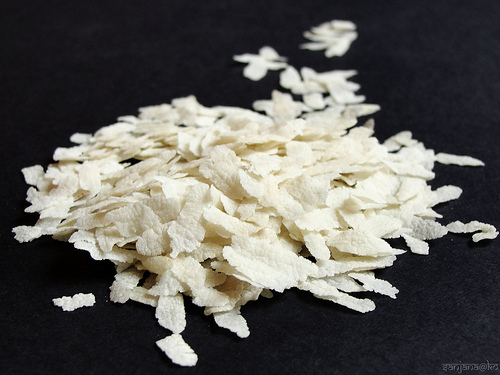
These special rice flakes make the most amazing breakfast with the unassuming name of poha.  I can tell you that it is tasty with just a bit of hot  peppers,  nuts (peanuts, I think),   and crunchy cereal on top for a variation of textures. There must be some masala because, after all, it is Indian cuisine!  As the finishing touch….ta da…….chopped red onions!

Of course, India is such an amazing country. . . . they eat onions for breakfast!  Yum. . . .

Image

Namaste. . . . .. T I I

Posted in India, Uncategorized | Tagged , , , , | 10 Comments

Made in India

Image

Khadi Gramudyog is a movement to support local production as a  sustainable solution to environmental, economical and social concerns. This all sounds very topical and  now, but this idea of “village industry” was at the heart of Gandhi’s  vision for survival of India after the end of colonial rule. The handwoven cotton material, made into comfortable unisex tunics became one of the symbols of the movement.

Image

The outlets all over India, sell soaps, incense, sheets, rugs, spices, clothing , and even powder for henna hands. All of the items sold in the shops are made in India and most by rural craftsmen. Image

Each shop stocks slightly different merchandise, but every product supports the livelihood  by meaningful work of individuals or communities in  rural India. Ghandi’s assertion of “think globally, act locally” is popular today in the developing  world’s economies. The idea of promoting domestic production, boycotting foreign goods and securing independence by  a self-sufficient people were all tenants of his plan for an independent India.  Actually, we in the good old US of A used  this plan when we , too , had trouble with those pesky Brits!

Image

If you have a chance, help this continuing dream of local financial independence and buy items  “Made in India.”header

Nameste. . . . .T I I

Posted in India, Uncategorized | Tagged , , , , , , , | 2 Comments

Ordinary People Doing Extraordinary Things

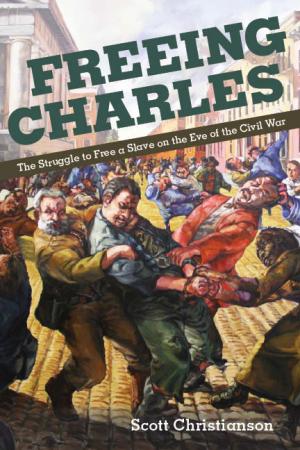
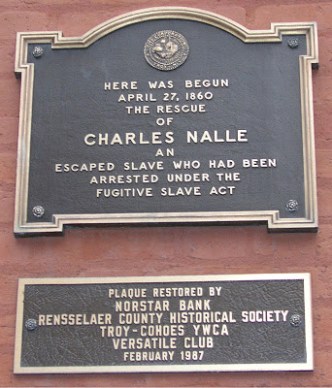
Image  Freeing Charles Nalle

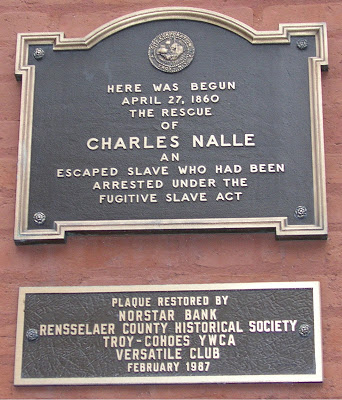
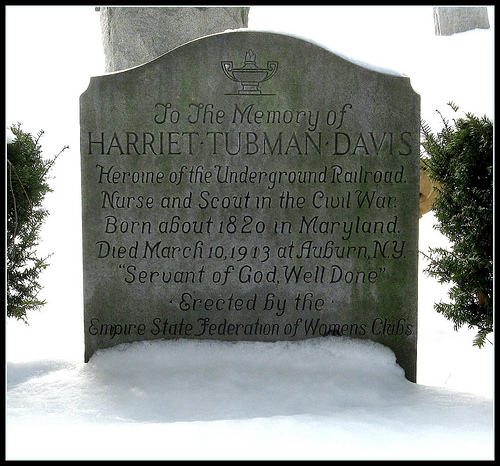
These were times to try men’s souls, just prior to the Civil War in our country. This is probably one of many such stories of men and women rising to the occasion to do the right thing. It is special to me, as this  has been  my adopted home for the last many years, and special to the residents of Troy, New York, as one of her shining moments.   Charles Nalle and I have Virginia in common as we were both born there. I am very glad that he  escaped to freedom on the Underground Railroad , and that the great Harriet Tubman  was in the area and  unselfishly lead the  rescue. Most of all, I am  proud of the brave ordinary people of Troy, who disregarded their own safety, and charged ahead to help “the stranger among them”.

4788726_origScreen-shot-2011-04-14-at-10.36.22-PM (1)

Nalle was  born into slavery in 1821 near Winchester, Virginia.  While in his teens, he  escaped to freedom in the north to work for an industrialist from Troy, New York. He lived with William Henry, a black grocer who was a member of Vigilance Committee.  There was an active group in Troy  involved in the Underground Railroad.  These were people committed to helping runaway slaves move from place to place in the dark of night on their way to freedom. The Fugitive Slave Act was a national law requiring  a  recaptured runaway slave be returned to his or her master.  Harriet Tubman, herself an escaped slave, lead many of her people to freedom hence her name of “Moses.”

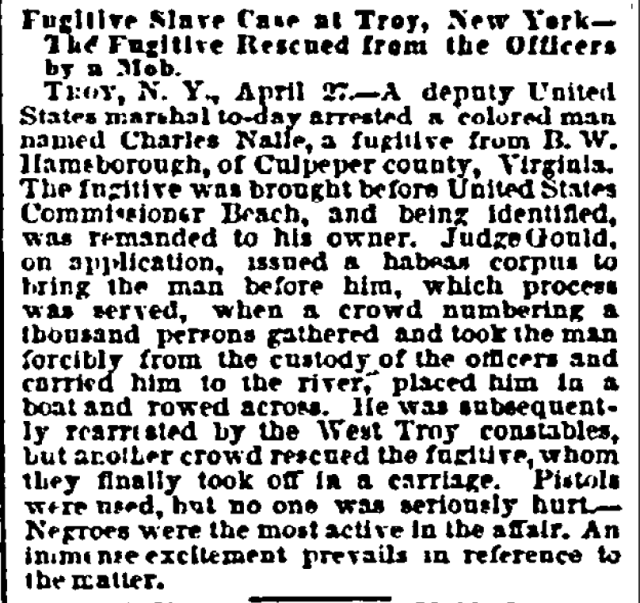
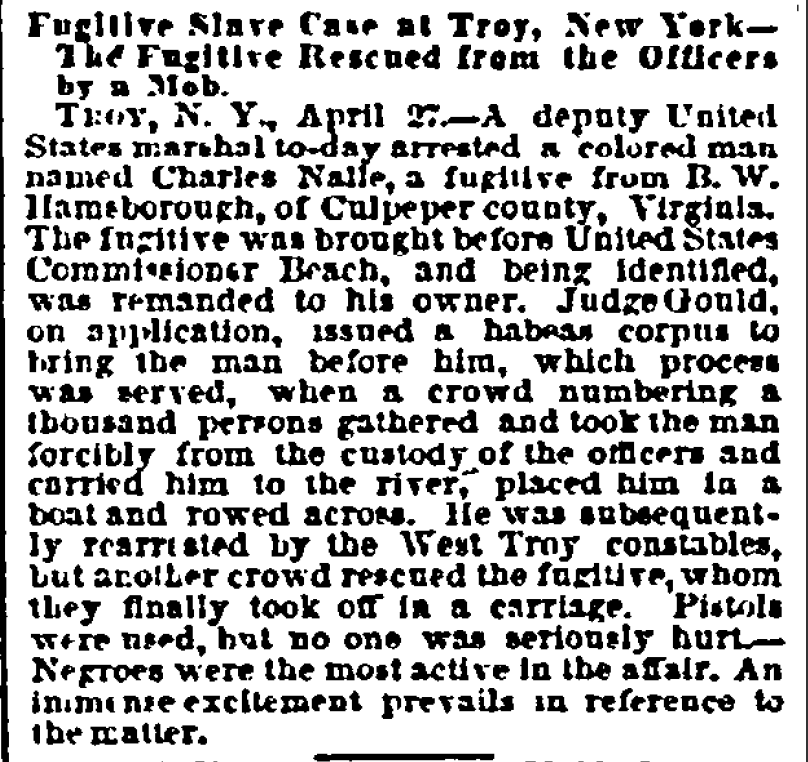
On a day in late April, 1860, Nalle was on the way to the bakery when he was arrested by an U S Deputy and a slave catcher from Virginia.  His friends noticed his disappearance, determined what had happened, and gathered outside the U S Commissioner’s office where he was being processed to be returned to his owner as property.  Below is the account from a local newspaper, of that day, telling the story of the brave Trojans lead by Harriet Tubman.
The lane was opened, and the man was brought out — a tall, handsome, intelligent man, with his wrists manacled together, walking between the U. S. Marshal and another officer, and behind him his brother and his master, so like him that one could hardly be told from the other. The moment they appeared, Harriet roused from her stooping posture, threw up a window, and cried to her friends: “Here he comes — take him!” and then darted down the stairs like a wild-cat. She seized one officer and pulled him down, then another, and tore him away from the man ; and keeping her arms about the slave, she cried to her friends: “Drag us out! Drag him to the river! Drown him! but don’t let them have him!” They were knocked down together, and while down, she tore off her sun-bonnet and tied it on the head of the fugitive. When he rose, only his head could be seen, and amid the surging mass of people the slave was no longer recognized, while the master appeared like the slave. Again and again they were knocked down, the poor slave utterly helpless, with his manacled wrists, streaming with blood. Harriet’s outer clothes were torn from her, and even her stout shoes were pulled from her feet, yet she never relinquished her hold of the man, till she had dragged him to the river, where he was tumbled into a boat, Harriet following in a ferry-boat to the other side. But the telegraph was ahead of them, and as soon as they landed he was seized and hurried from her sight. After a time, some school children came hurrying along, and to her anxious inquiries they answered, “He is up in that house, in the third story.” Harriet rushed up to the place. Some men were attempting to make their way up the stairs. The officers were firing down, and two men were lying on the stairs, who had been shot. Over their bodies our heroine rushed, and with the help of others burst open the door of the room, and dragged out the fugitive, whom Harriet carried down stairs in her arms. A gentleman who was riding by with a fine horse, stopped to ask what the disturbance meant; and on hearing the story, his sympathies seemed to be thoroughly aroused; he sprang from his wagon, calling out, “That is a blood-horse, drive him till be drops.”

The poor man was hurried in; some of his friends jumped in after him, and drove at the most rapid rate to Schenectady. [His freedom was later purchased].
harriet grave

Namaste……This is New York
Posted in Uncategorized | Tagged , , , , , , | 3 Comments

Holy Cow

Image

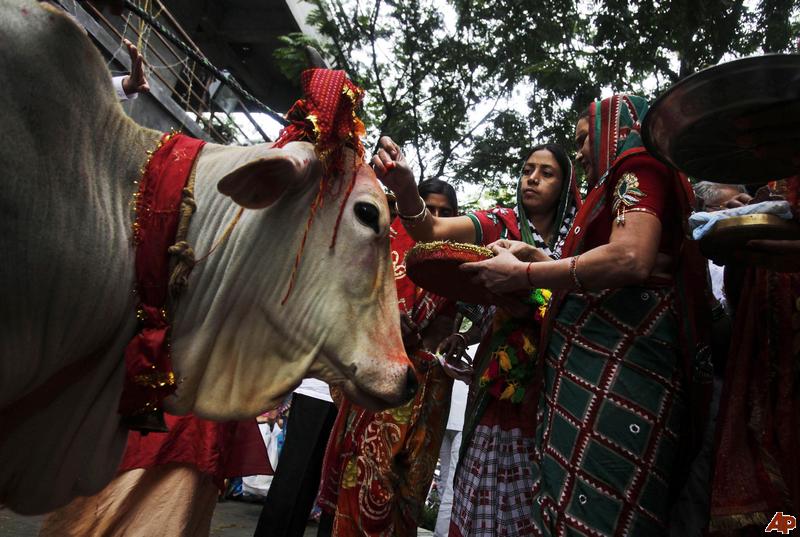
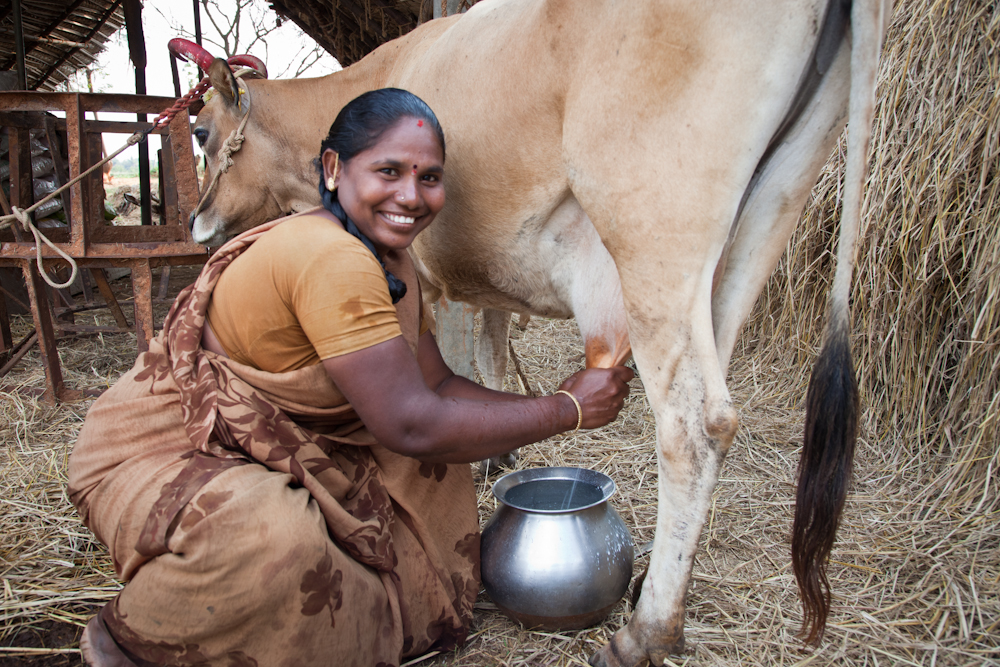
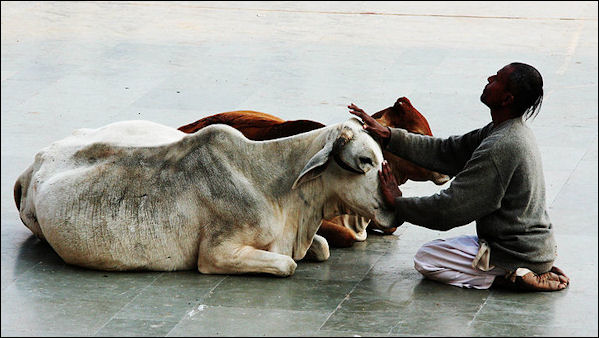
Mother Cow is the queen in the pantheon of sacred Indian animals. In fact, she stands head and shoulders above the rest. There are group all over Indian demanding the government name the cow as the national animal to replace the tiger which currently holds that honor. You might wonder how this all came about.  Many years before the  pyramids were built in ancient Egypt, or written law chiseled into stone by Hammurabi,  or paper invited by the Chinese, the Indian people had given up their nomadic wanderings. They had settled down to an agricultural lifestyle. This was before coins were used as money, and wealth was determined by the number of cows owned by the farmer. Cattle became legal tender and were used as payments, presented as dowry, and even used to pay the hated taxes!  Through the ages, cow’s milk has been often the only source of nourishment for India’s vast population.

Through the SUEB SHG I became aware that I could collect milk as a business.

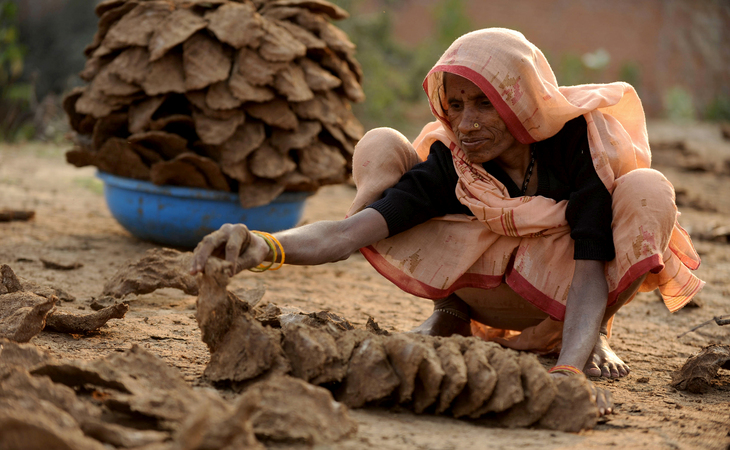
Another gift from the cattle is the dung which is still used in construction  of rural  homes   and as insulation on walls, and as tiles for the floors. The cow pies are burned in the cold weather and used for cooking  as the only source of fuel for the Indian village dwellers.

132095339.IkoWV2lU.CowDungFuelDryingonWallBijapur

TOPSHOTS-INDIA-ENVIRONMENT-FUEL-DUNG

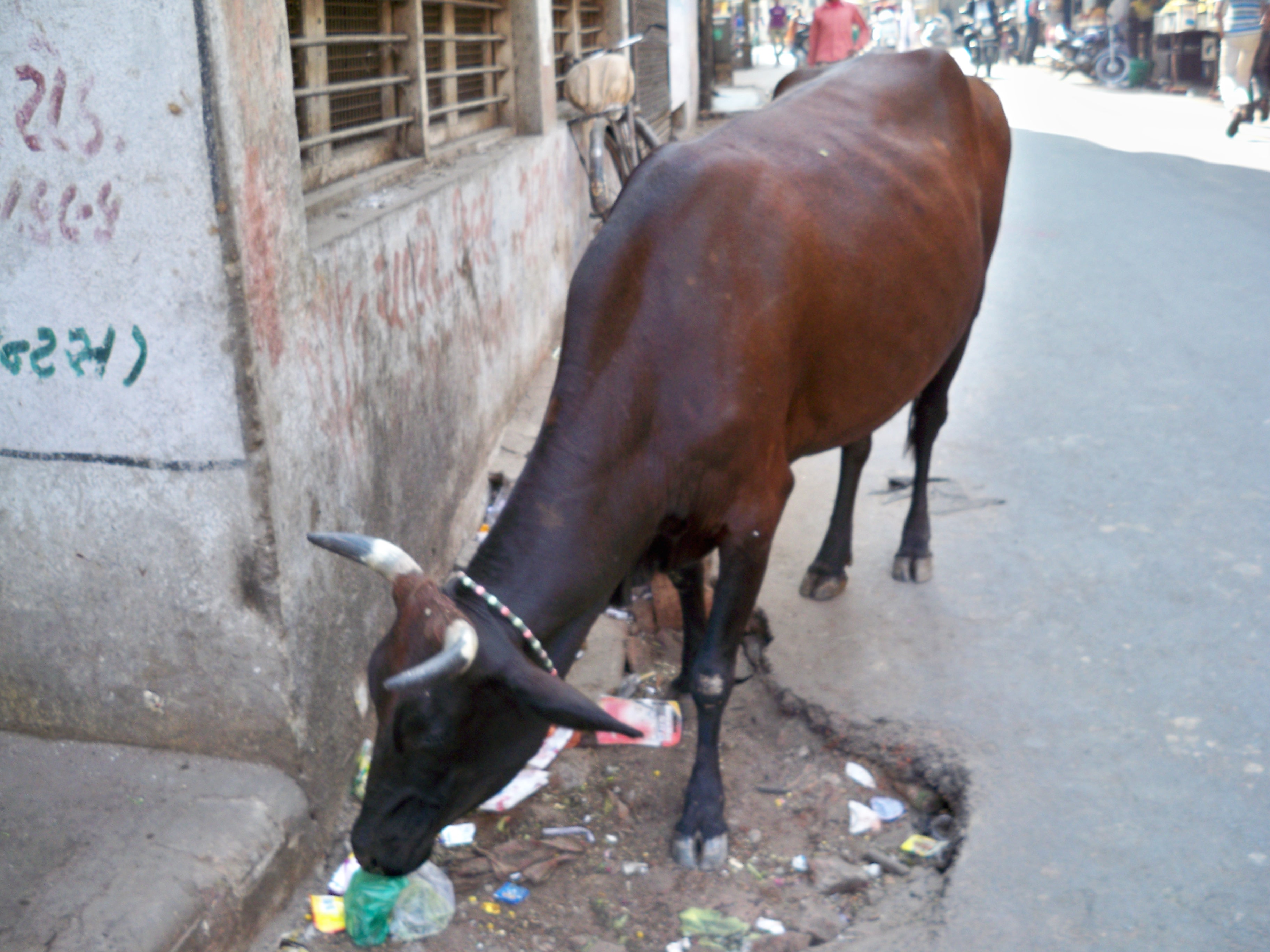
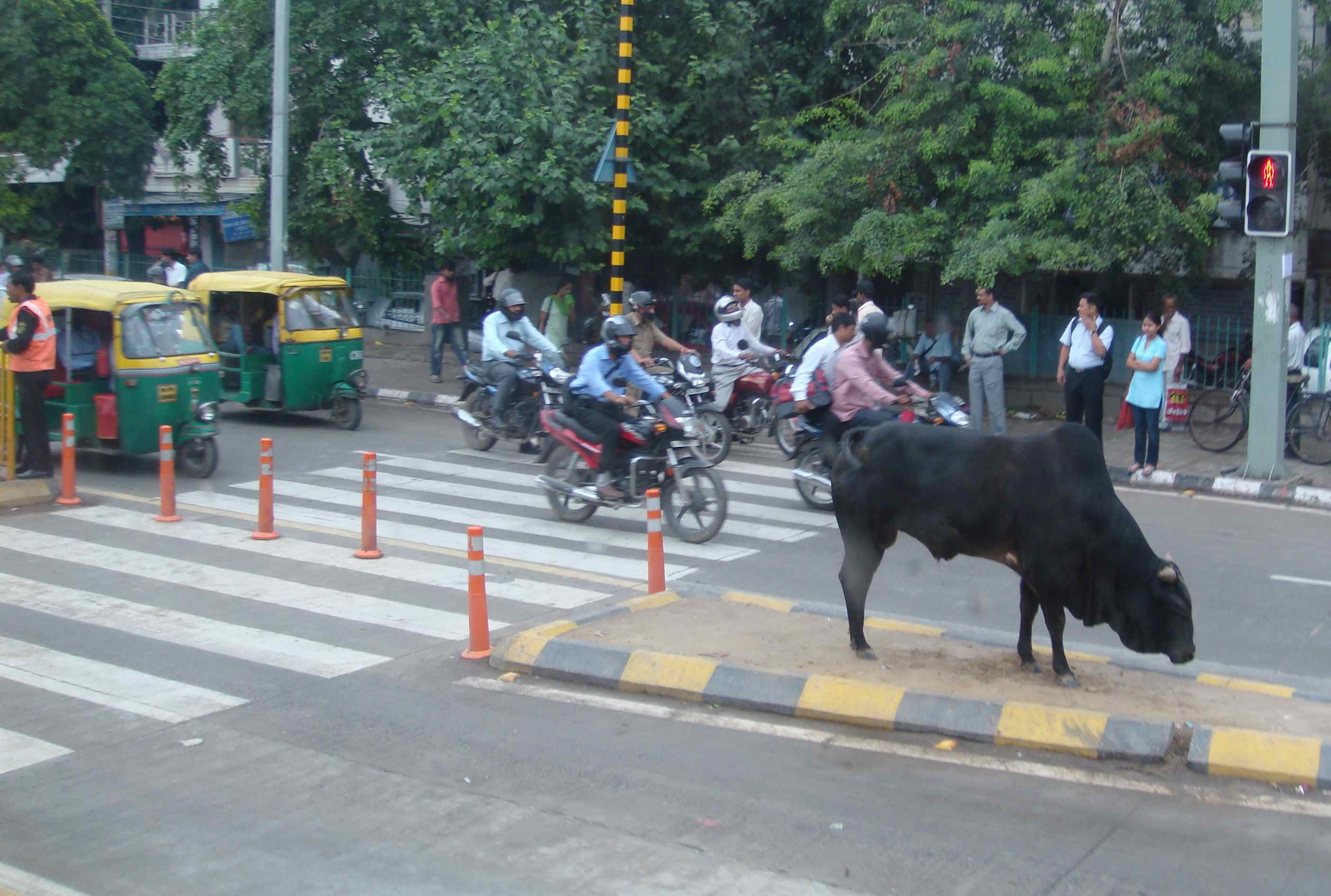
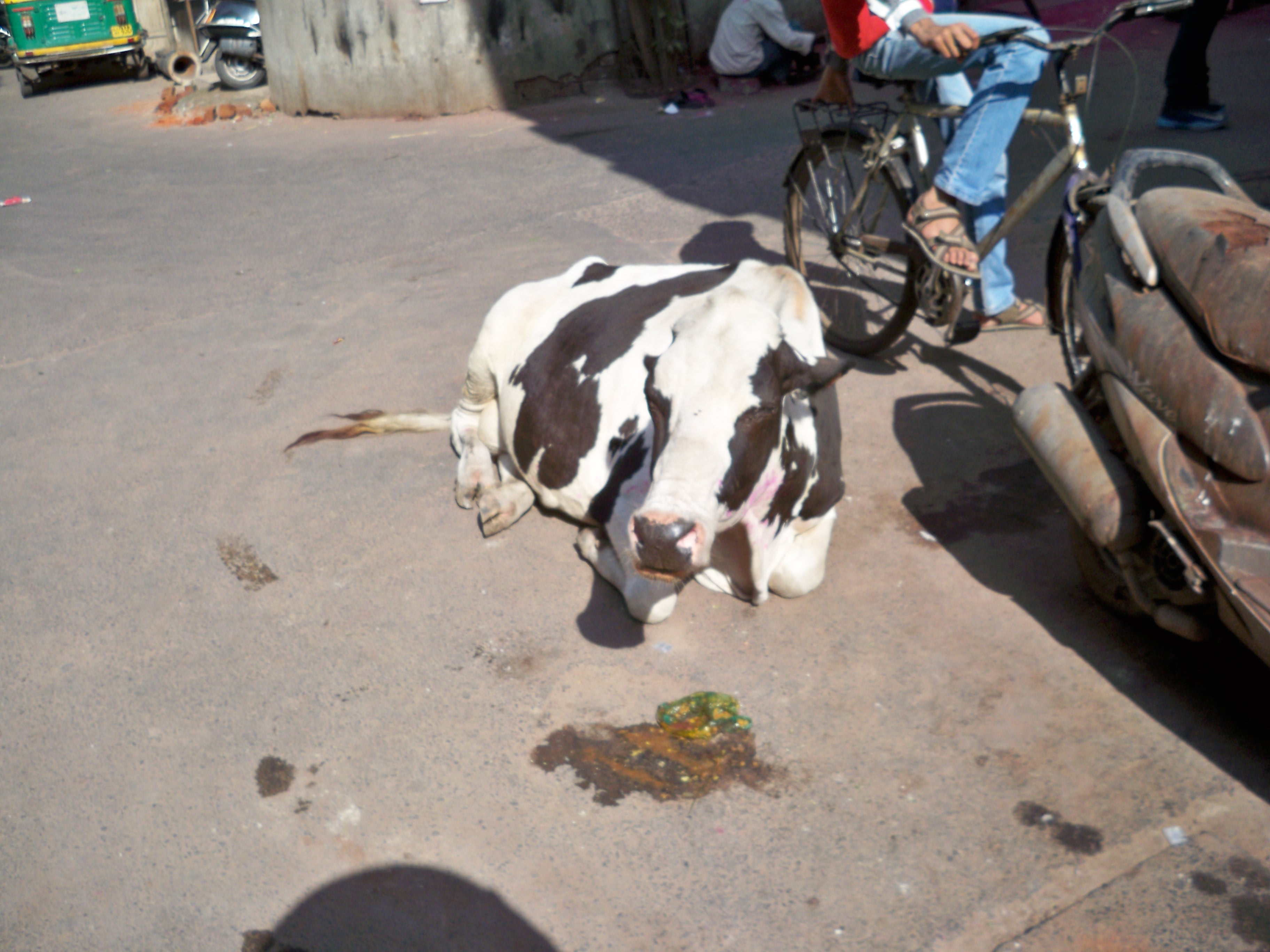
When the cows stop producing milk, they are abandoned by the farmers because they are of no use anymore and can not be taken to the slaughter house. This is why they are cows strolling through the the chaotic city traffic serenely ignoring the madness all around them instead of grazing in a village field.

100_2834

Recent studies have concluded that Indian cows hang around on busy streets because  the prolific exhaust fumes discourage flies which torture the bovines.   Another perk for the cows are that the toxins in the fumes make them high.  They often do appear very relaxed!  So the chaos they can cause stopping traffic and generally being in the way is quite a good place for them !

holy-cow (1)

Pedestrians in India have to look right, left, right while crossing the crowded streets to avoid being hit by cars, rickshaws, camel pulled carts, motor bikes, pedal bikes, as well as glance down to avoid stepping in fresh cow dung.  We were told it was a “blessing” from the cow if we walked through the dung.  Though, we all loved getting blessings on our foreheads, we eagerly avoided the “foot blessing!”  Holy cow!

100_2837

20120502-Cow_stroker

The Holy Cow by Tarun Chopra

Namaste. . . . . . .This is incredible India!

Posted in India, Uncategorized | Tagged , , , , , , , | 44 Comments

Washington Park Troy , New York

Image

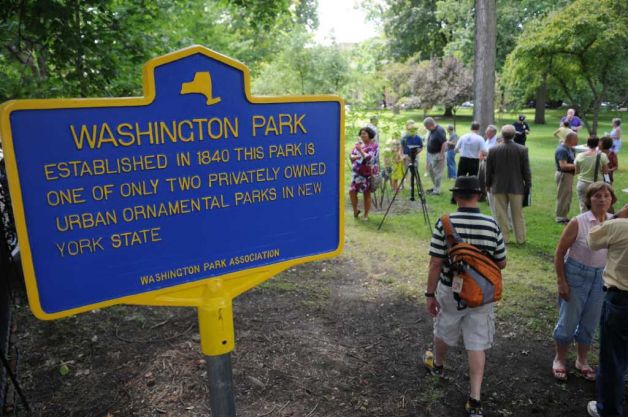
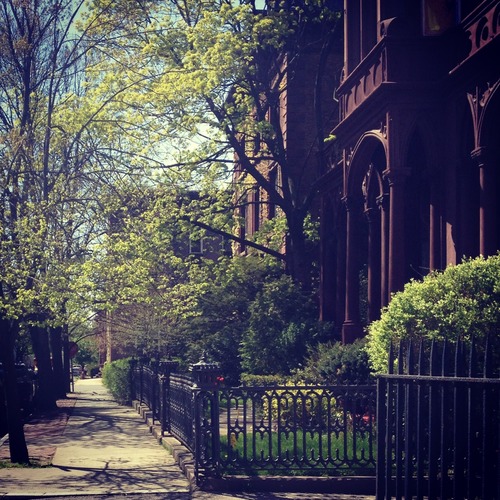
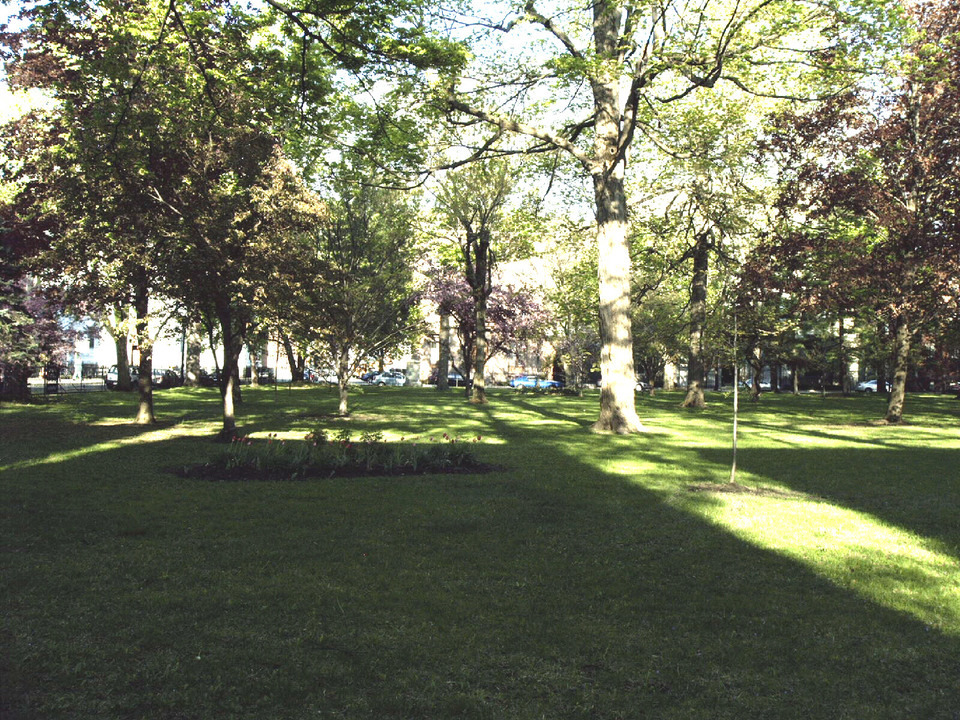
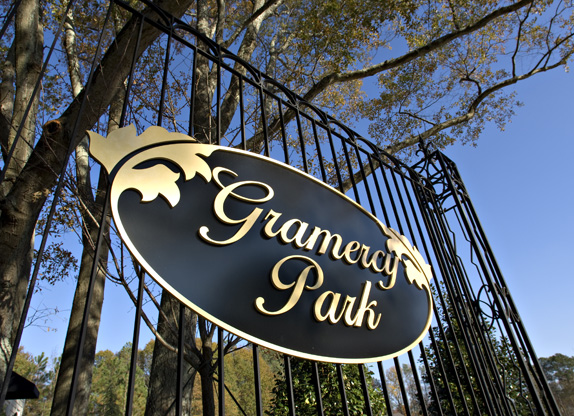
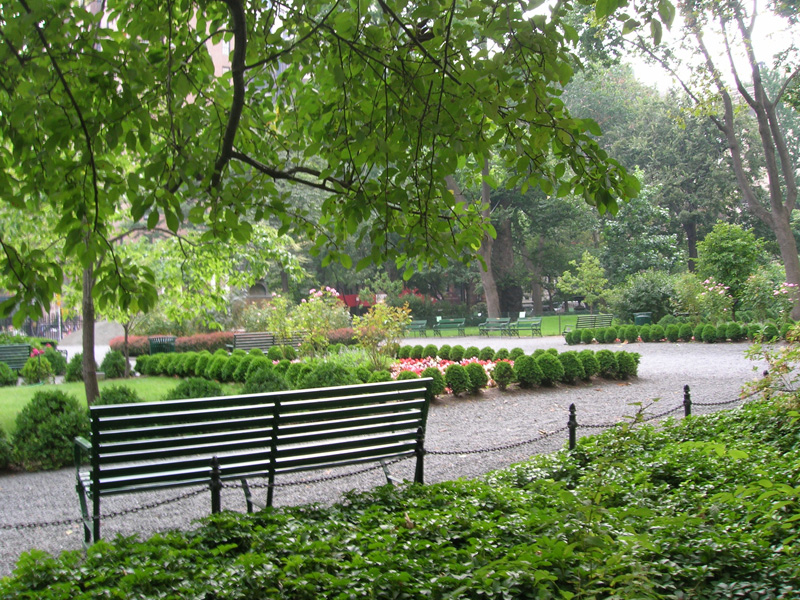
Forest gardening is the world’s oldest form  of gardening, and dates back to 10,000 BC! Enough history. .. . This lovely garden is  in the center of the block on which I live. As you can see from the sign, it is quite unique, joining Gramercy Park in New York City as the only two  private parks in the state.  Residents have keys to access the garden , but it is rarely used. Maybe because of  the restrictions of no pets, or ball playing , but you can sit and read on a bench under the sprawling shade trees.  Image

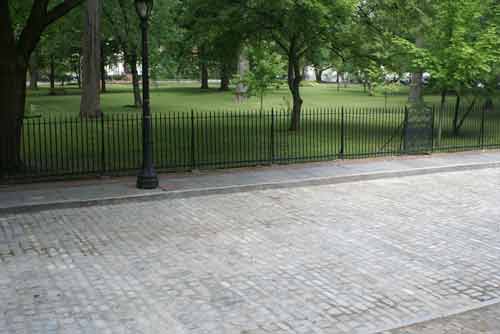
I particularly like the Victorian wrought iron fence that is prominent both around the park and the surrounding townhouses. vfiles35046

washington-place-3

This is the scene just outside our front door.  I walk around the park which is a quarter of a mile.  As you can notice  in the picture, one of the four streets  is  paved in the original cobblestone.

wrought_iron_gates_Gramercy_Park5

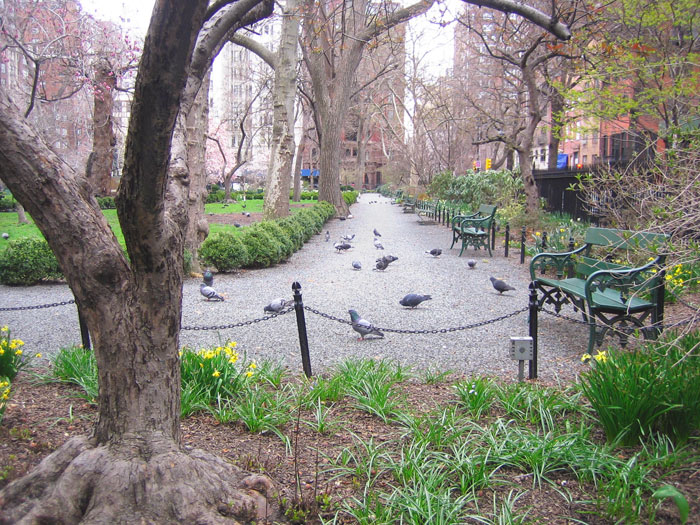
Now for a two hour trip south on the Hudson River to New York and Gramercy Park.  Here you see the the same use of iron railings, and a larger area with walkways and benches…but still no people! janes_walk_gramercy_park
15

The setting is similar to Troy’s with the  garden as the  focal point for the townhouses  built around it. Savannah, Georgia has  similar town planning with central “squares”  throughout the city.

Gramercy-Park
These ornamental gardens are not modern “hands on” parks but are to be enjoyed more formally from a distance, though the pigeons don’t seem to have gotten the memo!

Namaste. . . . .  This is New York!

Posted in Uncategorized, USA | Tagged , , , , , , | 15 Comments

The Most Exotic Marigold. . . . . .

Image

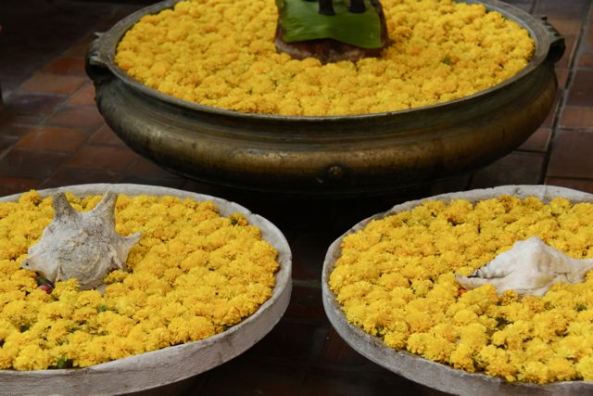
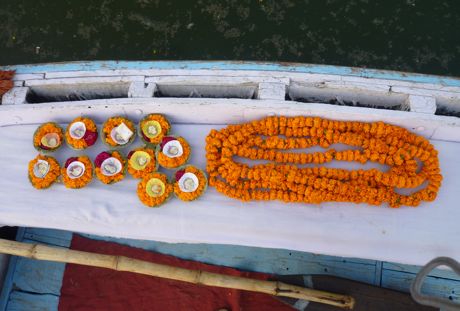
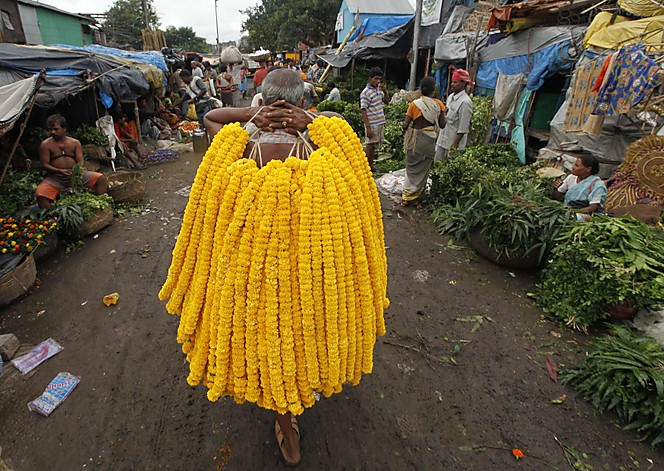
Giant flat bowls of marigolds greet you at the entrance to the House of MG, Ahmedabad’s Urban Heritage Hotel, found in the chaotic heart of the old city.  After all, these perky golden blossoms mean good luck and happiness. Because of that, they are used as offerings to the gods, rituals, weddings, and funerals. When we arrived in Varanasi, our hotel gave each a garland. We wore the marigolds for the day and then on our early morning visit to the ghats, we gave  them to  the Ganges along with the candles, as we watched the sunrise from the tranquil boat.garland

images (2)

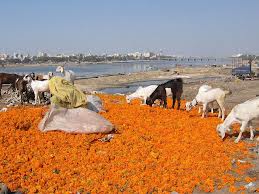
These goats with their veracious appetites are feasting on the tasty flowers. Little do they know that there is medicinal value  for headaches, toothaches, and strengthening the heart.  But they must know that the petals maybe eaten raw in salads or as salads!

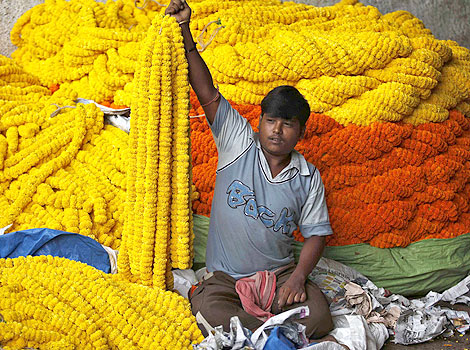
Hours before sunrise in Ahmedabad, you can visit Phool Bazaar, the local Flower Market.  The hours are 0300-0900.  We went about 7 AM and there will still beautiful flowers. It is located on the eastern end of Sardar Bridge. The blossoms are mostly native flowers, marigolds, roses, Arabian Jasmine, wild basil and lotus blossoms.   45,000 Kg or 94,000 pounds of flowers are sold daily.  There are lots of temples in Ahmedabad needing offerings.  Retail vendors sit outside the market and string fresh flowers into garlandsb7226d98-0500-40e7-b78a-6bb853c9edb1HiRes for the early shoppers.

post_display_open-uri20130124-7631-bgf9sp

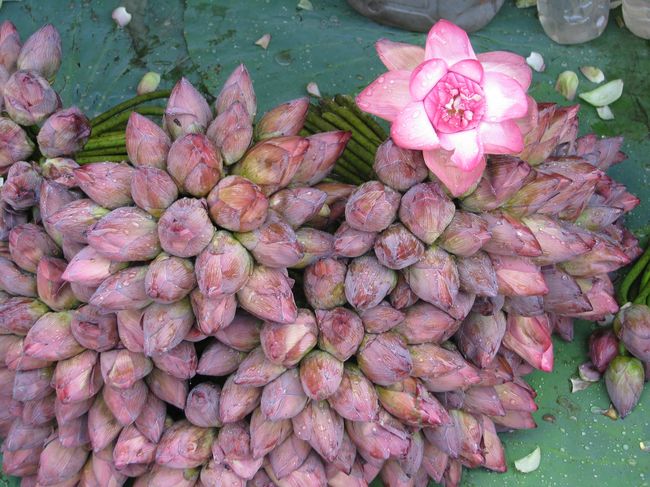
These are the lotus blossoms, the national flower of India.

indian-markets-gulab

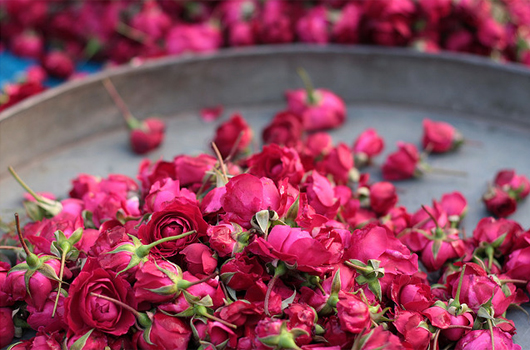
Here are fragrant roses so valued by everyone.

But the marigolds, I never appreciated before seeing them in India.  I thought of them as just bug repellents in the garden.  Now they  will always remind me of the golden sun of India!

A vendor sells garlands of marigold flowers at a wholesale flower market ahead of "Janamashtmi", in Kolkata

Nameste. . . . . .T I I

Posted in India, Uncategorized | Tagged , , , , , , , | 26 Comments