

 Today, I was going to post on death rituals or mummification and reincarnation but as I was doing research, I got interested in learning about caste systems in India and ancient Egypt. I always feel a tad tenuous speaking as an authority on subjects, I have only read about…I dip my toes gingerly into the pool of history and beliefs of cultures not my own. I would be most happy if any readers from India and or Egypt would step in and make corrections or comments. I can only say I have the deepest respect for both these cultures and the accomplishments and ideas they have given to the world both then and now. Please know that any mistakes I make are not malicious but because I lack the knowledge.
First a caste system is defined as a way to organize society into groups based on heredity. For Americans, we can understand this by the English system. It was ordered on a system of marriage only from the same group and heredity as a transmission for occupation, though education has become more important since the industrial revolution. And of course, Prince William married Kate Middleton, a commoner, and she will one day be Queen of England. They met and graduated from St. Andrews College in Scotland. This is quite similar to the caste system in India. And before we American deny a caste system here. . . . . have you noticed that most politicians come from a few select ivy league collages?
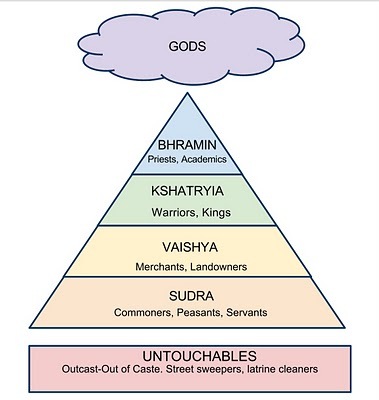
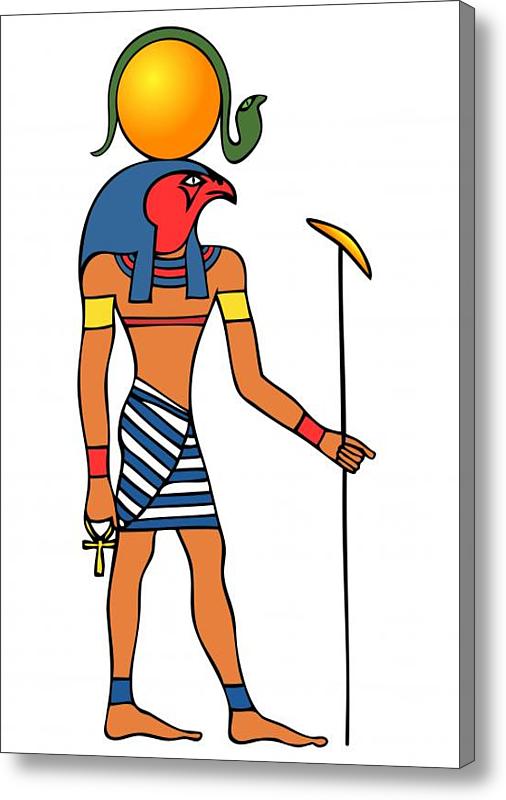
Since the ancient Egyptian system is no longer in use, unless my Egyptian friends can elaborate, I will just talk about the Indian system. The charts are pretty self-explanatory so I have only a few comments to make. It is interesting to see similarities in the two charts of systems that started so long ago. In India, there used to just be the top four classes, until Mr. Gandhi , the father of modern and free India, made a lower caste called the untouchables, Dalits or the “children of God.” The Indian constitution has outlawed the caste system and has instituted “affirmative action” programs to help these people with the challenges in their lives. I think of the programs for hearing, speech , and sight impaired Indian people I blogged on earlier. Both of these are private organizations, though I am sure that the government has programs as well.
https://talesalongtheway.com/2013/06/19/the-blind-at-your-doorstep/
https://talesalongtheway.com/2013/06/18/good-citizen-kfc/
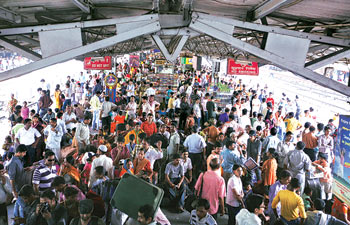
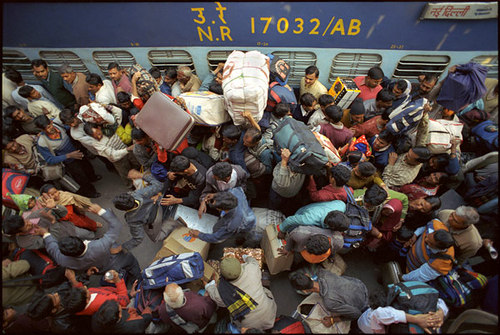
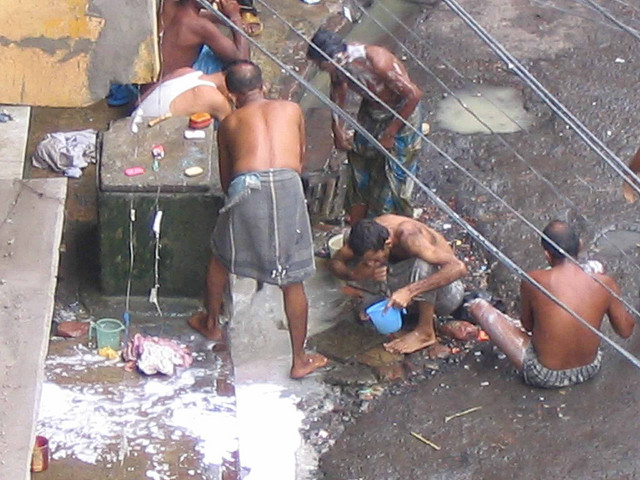
Today in India, there is a different approach to the caste system in the cities than in the villages. In the cities with the rising middle class consisting of 50-75 million people, the emphasis has shifted more to education leading to work and marriage. But in the villages, the caste system still usually dictates marriage rituals, births, deaths and occupation for all who lived there. Habits passed down from generation to generation are difficult to change.







 \
\














 TalesAlongTheWay