Artists Collaboration Stage: The Traveler’s Spirit featuring the works of Keyur Panchal

Keyur from keeppicturing.com is getting an international reputation and justly deserved!

Posted in Uncategorized | Leave a comment

Roaming the Rajasthan Roads with Royd

Here are some more sights from Rajasthan from Royd Zhang. . . . .  10920913_10205168918797993_2121507744106140395_n


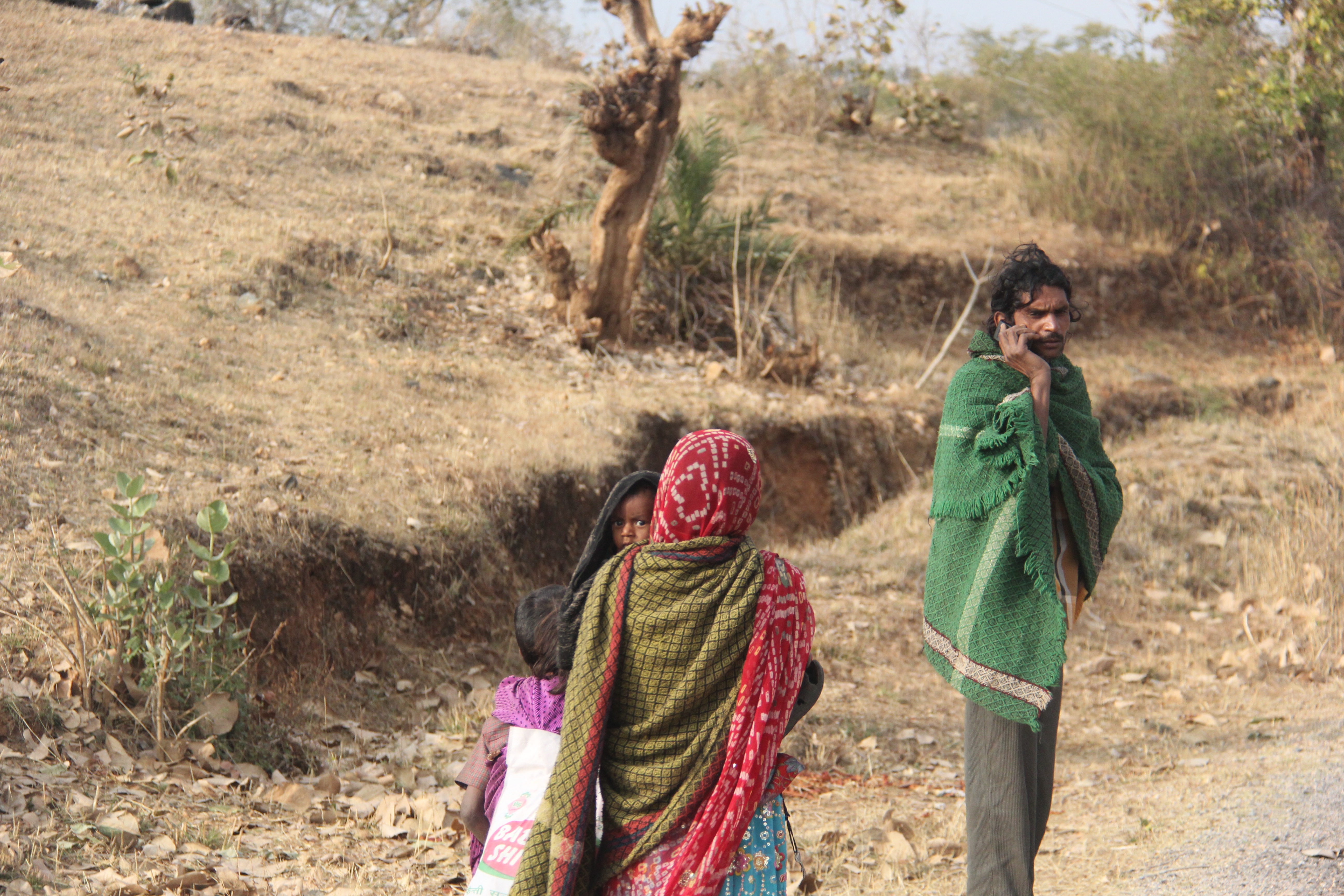
IMG_3530The beggars are not just in the cities. Whenever the bus stopped for snacks, toilet or gas, some would appear,

IMG_3937Ancient customs and way of life complete with a cell phone!

IMG_3948A  wonderful smile and wave is always ready for the camera!

IMG_3980These primary children are off to half-day school on Saturday. Sunday is a day for  field trips lead by the teachers.  We just saw several groups in Patan, and Modhera last weekend.

IMG_3998


A vehicle full. . . . .

IMG_6066

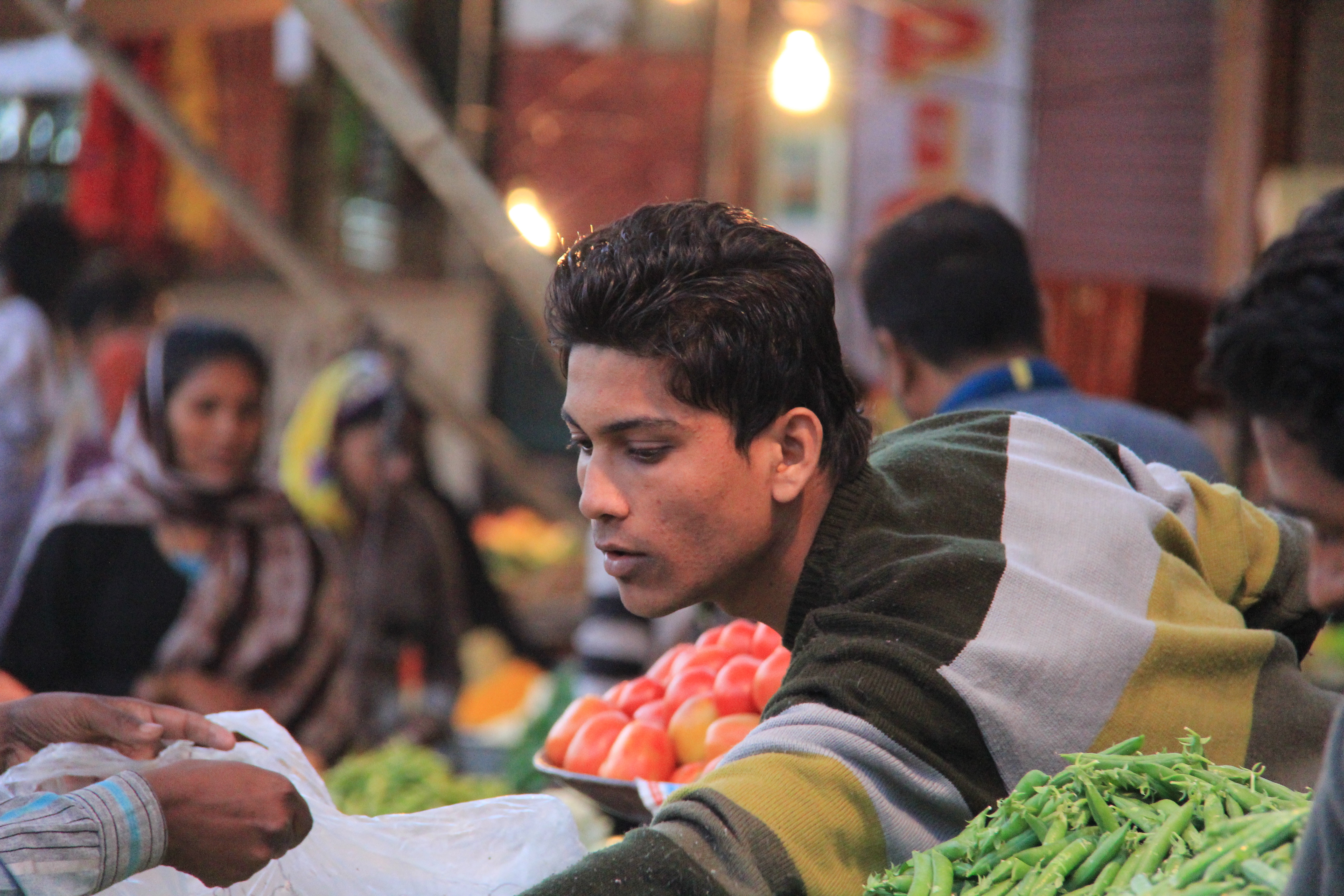
Oh these handsome, distinguish faces. . . . .

IMG_6258

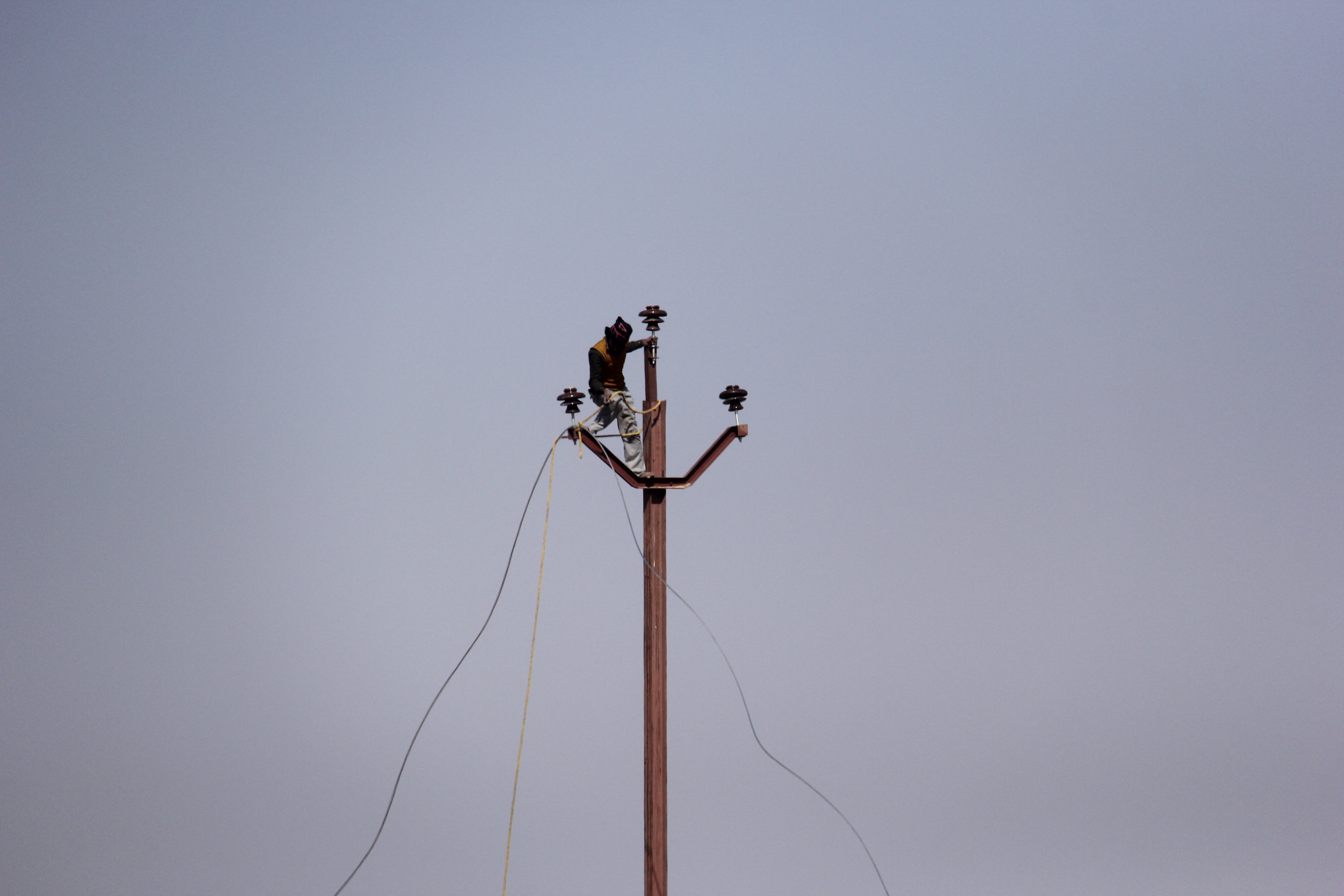
How did he get up there?

IMG_6457


Vibrant colors in the sunlight. . . .

IMG_5124

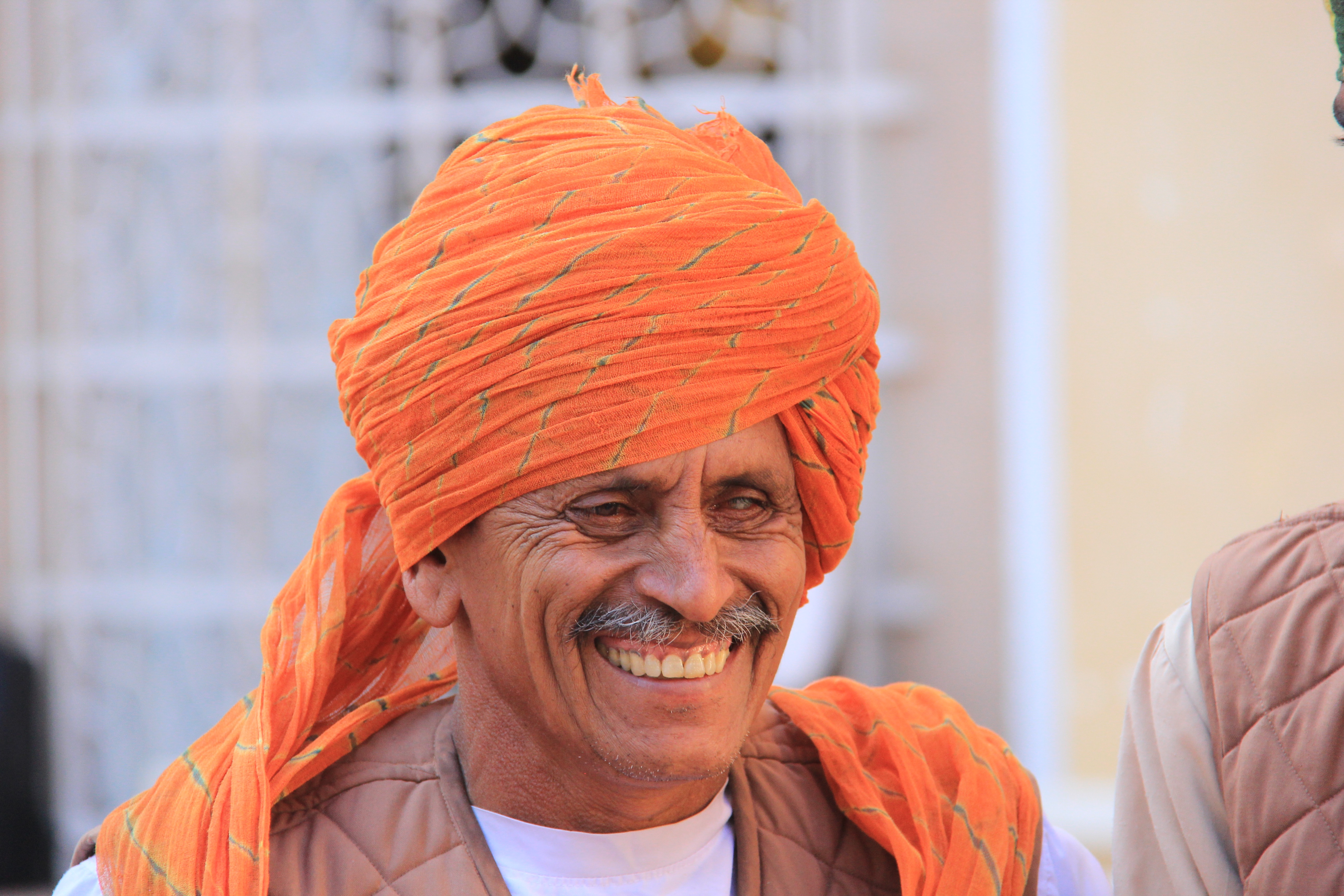
There are red, white, orange  and multi-colored turbans worn in Rajasthan. Orange is my favorite.   We  saw a demonstration  of a man rolling his turban with a 27 foot piece of cloth!


Thoughts, comments? 


Posted in India, Travel, Uncategorized | Tagged , , , , , , , | 23 Comments

Frozen What?

Nearly Frozen Waves Captured On Camera By Nantucket Photographer

CBS Boston

View Comments

(Photo credit: Jonathan Nimerfroh  - Instagram: @jdnphotography)

(Photo credit: Jonathan Nimerfroh – Instagram: @jdnphotography)

NANTUCKET (CBS) – The record-setting winter of 2015 has left us with all kinds of remarkable images, most of them of snow and ice.

But a photographer on Nantucket found something most of us have never seen – nearly frozen waves.

(Photo credit: Jonathan Nimerfroh  - Instagram: @jdnphotography)


Jonathan Nimerfroh was walking along a beach on the island recently when he saw these waves rolling in like slush.

The waves were semi-frozen because there was so much ice inside them.

(Photo credit: Jonathan Nimerfroh  - Instagram: @jdnphotography)

He took several pictures and shared them with WBZ-TV chief meteorologist Eric Fisher.

“It looks like a big Slurpee rolling ashore,” Fisher said.

(Photo credit: Jonathan Nimerfroh  - Instagram: @jdnphotography)

You can see more incredible photos on Nimerfroh’s website www.jdnphotography.com.

Our daughter sent this to us this morning!   It seems totally Photoshopped ,but thinking about Niagara Falls frozen as it fell, I guess if  it is cold enough waves can totally freeze , too !  David spoke to the Dean’s secretary and she said her dog refused to go this morning because of the cold.   Oh I am so sorry you are having such a horrible winter!

Anyone else have any winter related stories? 

Posted in Uncategorized, USA | Tagged , , , , , | 13 Comments

What I Am Striving For. . . . . .


Ha Ha. . .. . Never in a million years!

Posted in India, Uncategorized | Tagged , , | 2 Comments

Are We There Now?

nyt-logo-185x26

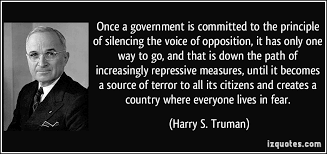
I seem to be posting more and more words from our past leaders, but the truth is timeless.

Your thoughts or comments. . . . . 

Posted in Uncategorized, USA | Tagged , , , , , , , | 2 Comments

Before I Go

My friend Judy Kapila sent this to me this morning. It is a beautifully written, heart felt message from a young surgeon with  insight into life and death. I think you will agree that is is a good reminder for all of us. So often I read something similar and think, “I need to take that to heart and learn from that  wisdom,” But mostly I just go back to my ordinary long days and forget that the years are short.  One reason I started this blog was to leave behind a little of my life, experiences, thoughts, dreams, faith, and  love. . . . . . . . . . . before I go !

Before I go   http://stanmed.stanford.edu/2015spring/before-i-go.html 
Time warps for a young surgeon with metastatic lung cancer

By Paul Kalanithi
Photography by Gregg Segal
In residency, there’s a saying: The days are long, but the years are short. In neurosurgical training, the day usually began a little before 6 a.m., and lasted until the operating was done, which depended, in part, on how quick you were in the OR.

Time at home. Time well spent

A resident’s surgical skill is judged by his technique and his speed. You can’t be sloppy and you can’t be slow. From your first wound closure onward, spend too much time being precise and the scrub tech will announce, “Looks like we’ve got a plastic surgeon on our hands!” Or say: “I get your strategy — by the time you finish sewing the top half of the wound, the bottom will have healed on its own. Half the work — smart!” A chief resident will advise a junior: “Learn to be fast now — you can learn to be good later.” Everyone’s eyes are always on the clock. For the patient’s sake: How long has the patient been under anesthesia? During long procedures, nerves can get damaged, muscles can break down, even causing kidney failure. For everyone else’s sake: What time are we getting out of here tonight?
There are two strategies to cutting the time short, like the tortoise and the hare. The hare moves as fast as possible, hands a blur, instruments clattering, falling to the floor; the skin slips open like a curtain, the skull flap is on the tray before the bone dust settles. But the opening might need to be expanded a centimeter here or there because it’s not optimally placed. The tortoise proceeds deliberately, with no wasted movements, measuring twice, cutting once. No step of the operation needs revisiting; everything proceeds in orderly fashion. If the hare makes too many minor missteps and has to keep adjusting, the tortoise wins. If the tortoise spends too much time planning each step, the hare wins.

The funny thing about time in the OR, whether you frenetically race or steadily proceed, is that you have no sense of it passing. If boredom is, as Heidegger argued, the awareness of time passing, this is the opposite: The intense focus makes the arms of the clock seem arbitrarily placed. Two hours can feel like a minute. Once the final stitch is placed and the wound is dressed, normal time suddenly restarts. You can almost hear an audible whoosh. Then you start wondering: How long till the patient wakes up? How long till the next case gets started? How many patients do I need to see before then? What time will I get home tonight?

It’s not until the last case finishes that you feel the length of the day, the drag in your step. Those last few administrative tasks before leaving the hospital, however far post-meridian you stood, felt like anvils. Could they wait till tomorrow? No. A sigh, and Earth continued to rotate back toward the sun.

But the years did, as promised, fly by. Six years passed in a flash, but then, heading into chief residency, I developed a classic constellation of symptoms — weight loss, fevers, night sweats, unremitting back pain, cough — indicating a diagnosis quickly confirmed: metastatic lung cancer. The gears of time ground down. While able to limp through the end of residency on treatment, I relapsed, underwent chemo and endured a prolonged hospitalization.

I emerged from the hospital weakened, with thin limbs and thinned hair. Now unable to work, I was left at home to convalesce. Getting up from a chair or lifting a glass of water took concentration and effort. If time dilates when one moves at high speeds, does it contract when one moves barely at all? It must: The day shortened considerably. A full day’s activity might be a medical appointment, or a visit from a friend. The rest of the time was rest.

With little to distinguish one day from the next, time began to feel static. In English, we use the word time in different ways, “the time is 2:45” versus “I’m going through a tough time.” Time began to feel less like the ticking clock, and more like the state of being. Languor settled in. Focused in the OR, the position of the clock’s hands might seem arbitrary, but never meaningless. Now the time of day meant nothing, the day of the week scarcely more so.

Yet there is dynamism in our house. Our daughter was born days after I was released from the hospital. Week to week, she blossoms: a first grasp, a first smile, a first laugh. Her pediatrician regularly records her growth on charts, tick marks of her progress over time.
Photo of Paul Kalanithi and his daughter Cady
layers
Paul Kalanithi savors moments with his daughter, Cady.
Verb conjugation became muddled. Which was correct? “I am a neurosurgeon,” “I was a neurosurgeon,” “I had been a neurosurgeon before and will be again”? Graham Greene felt life was lived in the first 20 years and the remainder was just reflection. What tense was I living in? Had I proceeded, like a burned-out Greene character, beyond the present tense and into the past perfect? The future tense seemed vacant and, on others’ lips, jarring. I recently celebrated my 15th college reunion; it seemed rude to respond to parting promises from old friends, “We’ll see you at the 25th!” with “Probably not!”

Yet there is dynamism in our house. Our daughter was born days after I was released from the hospital. Week to week, she blossoms: a first grasp, a first smile, a first laugh. Her pediatrician regularly records her growth on charts, tick marks of her progress over time. A brightening newness surrounds her. As she sits in my lap smiling, enthralled by my tuneless singing, an incandescence lights the room.

Time for me is double-edged: Every day brings me further from the low of my last cancer relapse, but every day also brings me closer to the next cancer recurrence — and eventually, death. Perhaps later than I think, but certainly sooner than I desire. There are, I imagine, two responses to that realization. The most obvious might be an impulse to frantic activity: to “live life to its fullest,” to travel, to dine, to achieve a host of neglected ambitions. Part of the cruelty of cancer, though, is not only that it limits your time, it also limits your energy, vastly reducing the amount you can squeeze into a day. It is a tired hare who now races. But even if I had the energy, I prefer a more tortoiselike approach. I plod, I ponder, some days I simply persist.

Everyone succumbs to finitude. I suspect I am not the only one who reaches this pluperfect state. Most ambitions are either achieved or abandoned; either way, they belong to the past. The future, instead of the ladder toward the goals of life, flattens out into a perpetual present. Money, status, all the vanities the preacher of Ecclesiastes described, hold so little interest: a chasing after wind, indeed.

Yet one thing cannot be robbed of her futurity: my daughter, Cady. I hope I’ll live long enough that she has some memory of me. Words have a longevity I do not. I had thought I could leave her a series of letters — but what would they really say? I don’t know what this girl will be like when she is 15; I don’t even know if she’ll take to the nickname we’ve given her. There is perhaps only one thing to say to this infant, who is all future, overlapping briefly with me, whose life, barring the improbable, is all but past.

That message is simple: When you come to one of the many moments in life when you must give an account of yourself, provide a ledger of what you have been, and done, and meant to the world, do not, I pray, discount that you filled a dying man’s days with a sated joy, a joy unknown to me in all my prior years, a joy that does not hunger for more and more, but rests, satisfied. In this time, right now, that is an enormous thing.

Any thoughts to discuss or share? 

Days are long, years are short
DAYS ARE LONG, YEARS ARE SHORT
Paul Kalanithi opens up about his battle with advanced lung cancer and how he is facing his mortality. Photograph by Norbert von der Groeben

00:0044:08
SHARE THIS
Twitter Facebook Email Print
Paul Kalanithi, MD, is an instructor in Stanford’s Department of Neurosurgery and a fellow at the Stanford Neurosciences Institute. Contact Paul Kalanithi at http://paulkalanithi.com.

 

Posted in Uncategorized, USA | Tagged , , , , , , , , , | 1 Comment

Yoga Then and Now. . . . . .

tourism-yoga-small-32384

Yes, three of the girls and I do Yoga 4 or 5 nights each week.  We are trying to do it consistently during the month of February as we will be travling for almost 2 weeks in March.  The cost for up to 5 times a week is 800 rupees a month  which is about $15 dollars.  The site is just up the busy road and we go at 6pm instead of the morning classes.  It does mean crossing both ways to get there and back to the hostel.  I must admit, this is far from my favorite experience in India. . . . . cars, rickshaws, bikes, motor bikes. . . .coming in all directions.  Sigh ,. . . .so far no one has been hit.

When I goggled Yoga there were 554 million sites to show you how popular Yoga is world wide.  There are training centers, classes, and retreats available for the “clicking!”  I learned that Yoga began long ago, but there is not a definitive knowledge of exactly when. I read  anywhere from 3000 -6000 BC.

The original focus was to apply the exercises to understanding the world.  The idea of self-enlightenment became the ultimate teaching.  The poses and meditation became critical elements  of Buddhist teaching. The Yoga was to prepare the body for long and disciplined meditation sessions.

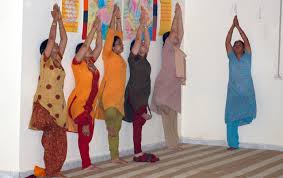
images (20)

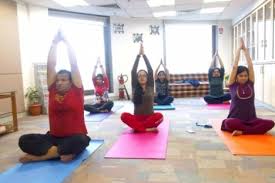
The Yoga studio where we having been going is focused on Yoga as exercise and discipline.  There has not been any discussion of mediation.  The teacher has limited English, and we have no Hindi or Gujarati.   There are Indian women in the class and they are instructed in their language, so there could be some instructions we are not getting.   As you see from the picture, the Indian women  always modest, exercise in their clothes and not in exercise things.  This is not a picture of our class and instructor , but it could be !

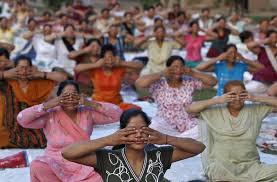
images (19)

We do this exercise after we have done breathing and exercises for clearing our nasal passages.  I was thrilled to know these t  because I suffer with stuffy sinuses!   The Yoga exercises not only focus on joints, but on the whole body, including an exercise to help in digestion.

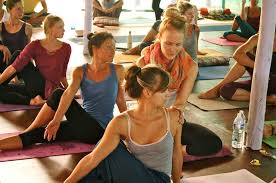
images (22)

There are many exercises to stretch, work on mobility and posture.  All of which I need !

Some of you may wonder what I do when some of the more extreme exercises are done. I just do what I can, modify if I can, and stop if something hurts and do less of many things.  There is an Indian  woman about my age and size and she does the same thing.

From htp://cncahealth.com

Here are the benefits of Yoga and are the reason , I am going, and plan to continue when I return home.  I am not there for mediation or  spiritual purposes  and if that was part of the process, I could meditate or pray in my Christian faith.

From the site above:

1.  Natural pain relief

2. Relief from anxiety and depression

3.  Increased flexibility and balance

4.  Better breathing and lung capacity

5.  Improves heart health

My goal is improved posture and  emphasize   balance.  I  feel as if I have gotten a  good start and do feel better and more energetic.  One of my former six-grade students, Belinda,  has a class already waiting for me to join!

images (21)


Images are from the Public Domain from Google


Do any of you do Yoga?  How do you exercise?  I have to tell you  I have always detested exercise , and even in the Yoga class I am checking my watch, but it is necessary to stay as fit and well as possible !


http://www.bbc.com/news/magazine-25006926

http://iml.jou.ufl.edu/projects/fall05/levy/history.html

Posted in India, Travel, Uncategorized, USA | Tagged , , , , , , | 6 Comments

I chose, but then I chose to choose again

This old trait is so refreshing in the world today filled with “victims” who blame others for choices they have made! Brava!

Polysyllabic Profundities's avatarpolysyllabic profundities

choices

Life is about making choices.  Every day we are presented with numerous situations in which we have to decide the outcome of the situation by using our instincts to make those choices.

I am certain I have made many choices that, given the chance to go back and do again, I would change at the drop of a hat.  But making those choices has made me who I am today, warts and all.   I learned a great deal about life and especially about myself by choosing the way I did.  And I learned even more about me by giving myself permission to make the choice to choose again.

I chose to get married.  It was a bad choice for me, given the circumstances, but it was a choice I needed to make to learn a very valuable lesson.  After that lesson had a chance to penetrate my brain, I…

View original post 163 more words

Posted in Uncategorized | Leave a comment

Design Studio . . . . Home Away From Home

10987637_365400360333205_322184705929296906_n (1)


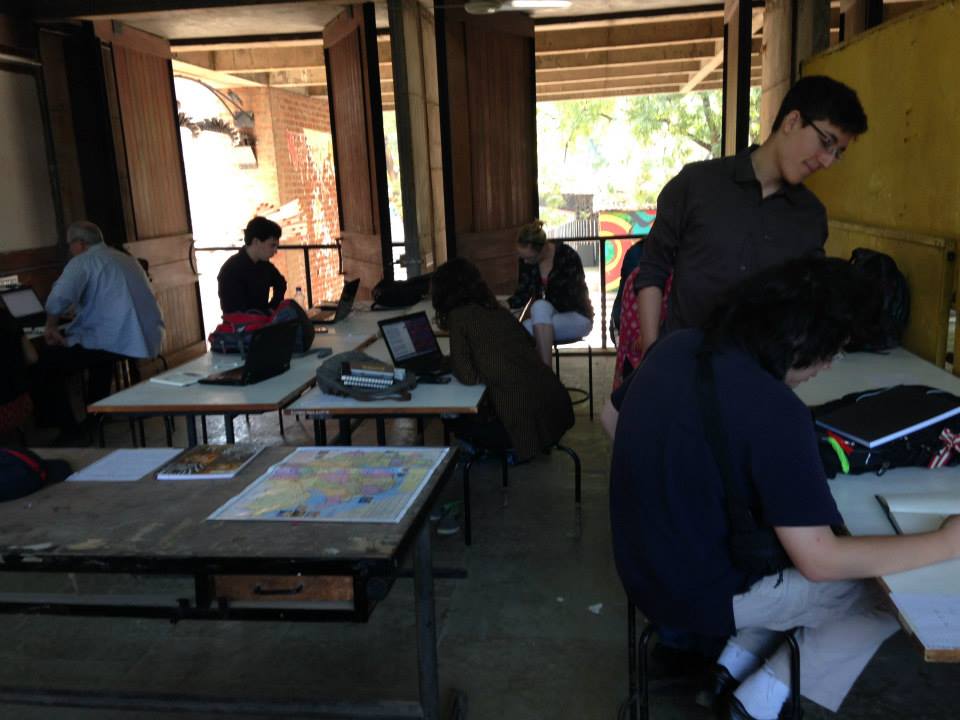
People have asked what I do each day while we are in Amdavad.  Here is the Design Studio and this is it!  I sit and read or blog at one of the empty tables.  The students and David  in the upper left corner spend lots of time here as well as visiting the site, Le Corbusier’s Mill Owners’ Building.  They are designing an library and garden  on a site adjacent and on the river bank. David moves  from student to student discussing  their ideas and design. . . . . one on one differentiated  teaching !

This building is so amazing.  Check out those amazing doors that open up to the outside perfect for the climate. There are always pigeons flying around and we have heard that during monsoon, monkeys seek shelter in the architecture school !  They can be destructive like the squirrels that enter the Green Building at RIP !  Another day, I will walk around the campus and take some pictures.  It is filled with steps, and low walls where people are sitting, visiting,  and having lunch .  It is a wonderful, welcoming  place.

unnamed (46)


unnamed (45)


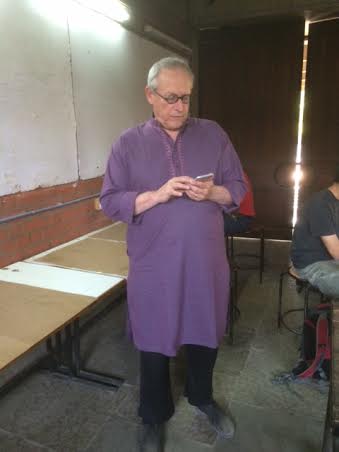
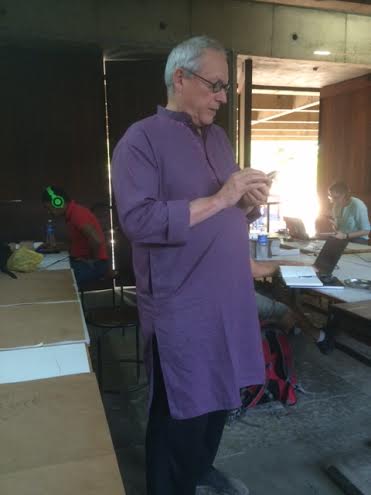
Here is the professor architect texting in Incredible India.  The tunics are cotton, so they are cool, and quite comfortable.

My friend  Jhoan   took the image of the studio.

A morning at CEPT University in Incredible India !


Posted in Amdavad, Architecture, India, Travel, Uncategorized | Tagged , , , , , , , , , , , , | 2 Comments

Obamacare costs $50,000 per enrollee

when will this out of control spending end?

Posted in Uncategorized | 8 Comments