
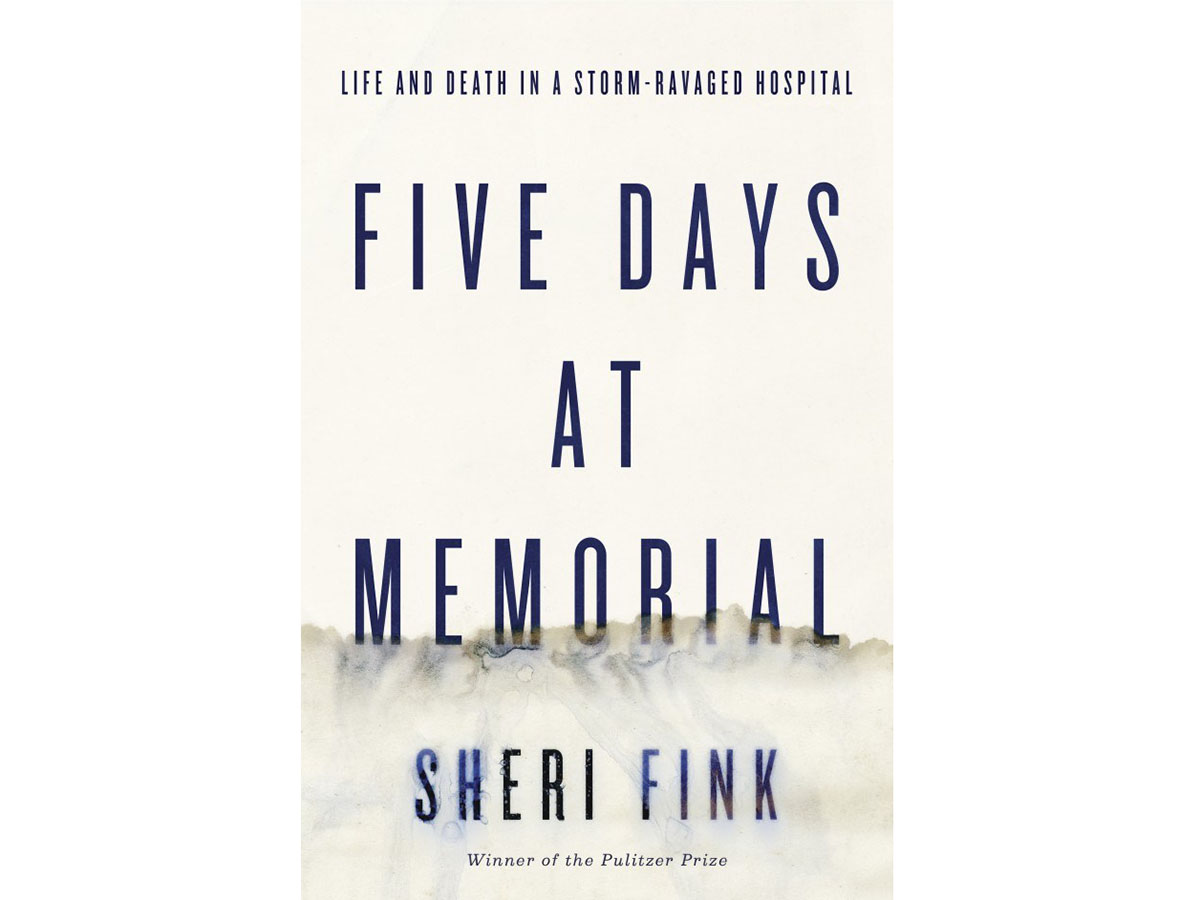
This Wednesday is the discussion over lunch of our book group. It is our selection for discussion this month. The author is a medical doctor and award winning journalist named Sheri Fink. 
This is a book which struggles for truth and justice. Much of the drama of Katrina was played out on TV but this hidden tragedy played out deep inside the walls of a hospital in the flood path in the aftermath of Katrina.
Dr. Fink recorded 500 interviews and she not only revealed details inside Memorial but there were continuing conflicting points of view of staff, patients, and families and a long confusing, unsatisfying legal aftermath.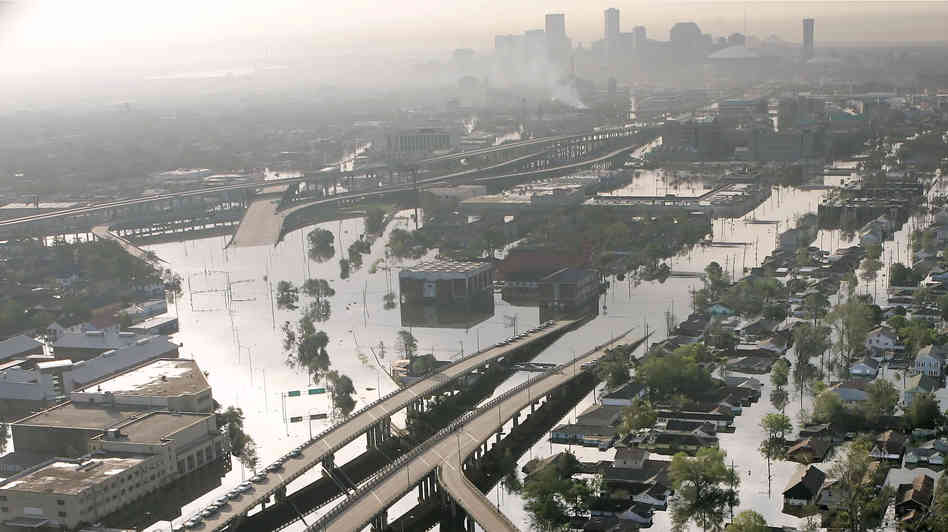 There was never any question that the DNR (do not resuscitate or give life rescuing measure if the heart or lungs fail. ) patients had been injected with a chemical cocktail of morphine, and other calming drugs to make their passing easier and or speedier. They were determined to be too ill to survive the evacuation, ironically.
 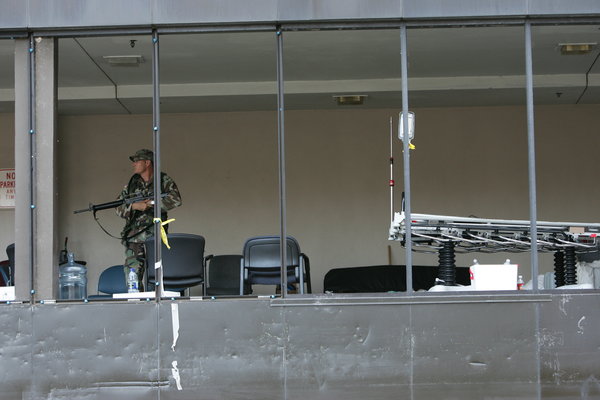 There are lots of questions as to if this was the medical treatment needed by those 20 patient at that time and place.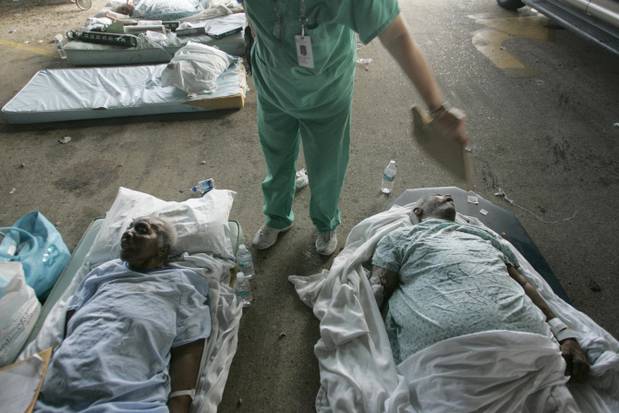
In the epilogue, Dr Fink says, “One of the greatest tragedies of what happened at Memorial may well be that the plan to inject patients went ahead at precisely the time when helicopters at last arrived in force, expanding the available resources. ”
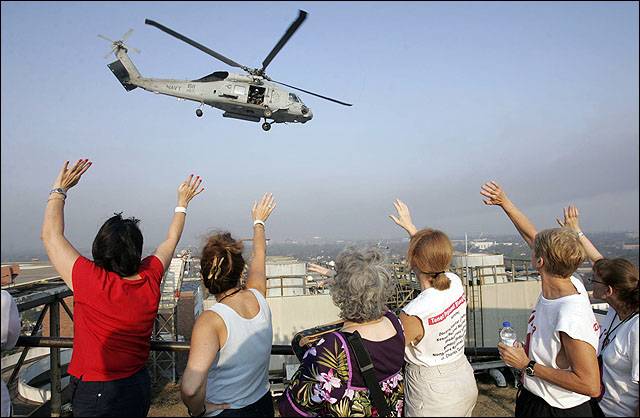
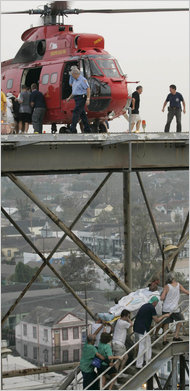
I imagine that our discussion will revolve around the ethical question of euthanasia which is from Greek derivation and means “a good death.” We all bring our experiences, faith systems and opinions to the table. There is hardly a more pressing moral and ethical dilemma today in medicine. In triage or battlefield emergency medicine , doctors have always made a choice of the first to treat, and usually it was the person most likely to survive.

When do doctors play God? Is it at the moment they use machines and all available science to lengthen a patient’s “death” or is it the moment treatment is withheld to hasten the natural conclusion of the illness? Or as in this story, is it when they give comfort and pain relief and in so doing hasten death? These are very topical and pertinent questions in medical ethics today and may have a huge impact on all our lives. . . . . . . . or deaths. . . . . . .

This was the makeshift morgue. . . .the chapel in Memorial Hospital . . .
This Is New Orleans after Hurricane Katrina. . . . . .

 TalesAlongTheWay
I worked for a Hospice organization in admissions and marketing as an RN for about one year. It was the most challenging and yet the most rewarding year of my entire 30+ career in healthcare. I had a stellar service record, but I could not do it beyond that one year of service. I greatly admire those who can. During the year before Katrina, when the “Big Four of 2004”, Charley, Ivan Jeanne, and Frances, came through, I was working in a pediatric extended care facility that took in patients from a Nursing Home in another town. The home had been demolished. We worked at night with no lights in the rooms and no A/C or electricity, except what little the generators provided for the oxygen concentrators that patients required. Patients were literally dying in the hallways because we had no rooms to put them into. It was a nightmare. I still cannot imagine what it was like for those in New Orleans.
LikeLike
Gracious , your story sounds similar to Memorial. What a harrowing experience. Thanks for sharing . Have you written a post about your experiences ?
LikeLike
I haven’t. I have put my nursing career behind me and don’t currently write about it a former career except occasionally in comments. Maybe I will some day. I do wellness screenings part-time now. It is a happier sort of nursing.
LikeLike
Well when you want to write your memories , I am sure people will want to read it. Thanks for sharing with me!
LikeLike
Read this a few weeks ago. Riveting read~
LikeLike
Reblogged this on Oyia Brown.
LikeLike
OMG. Thanks for telling me about this book.
LikeLike
Wow, I didn’t even know that happened. Awful.
LikeLike
Indeed it is !
LikeLike