
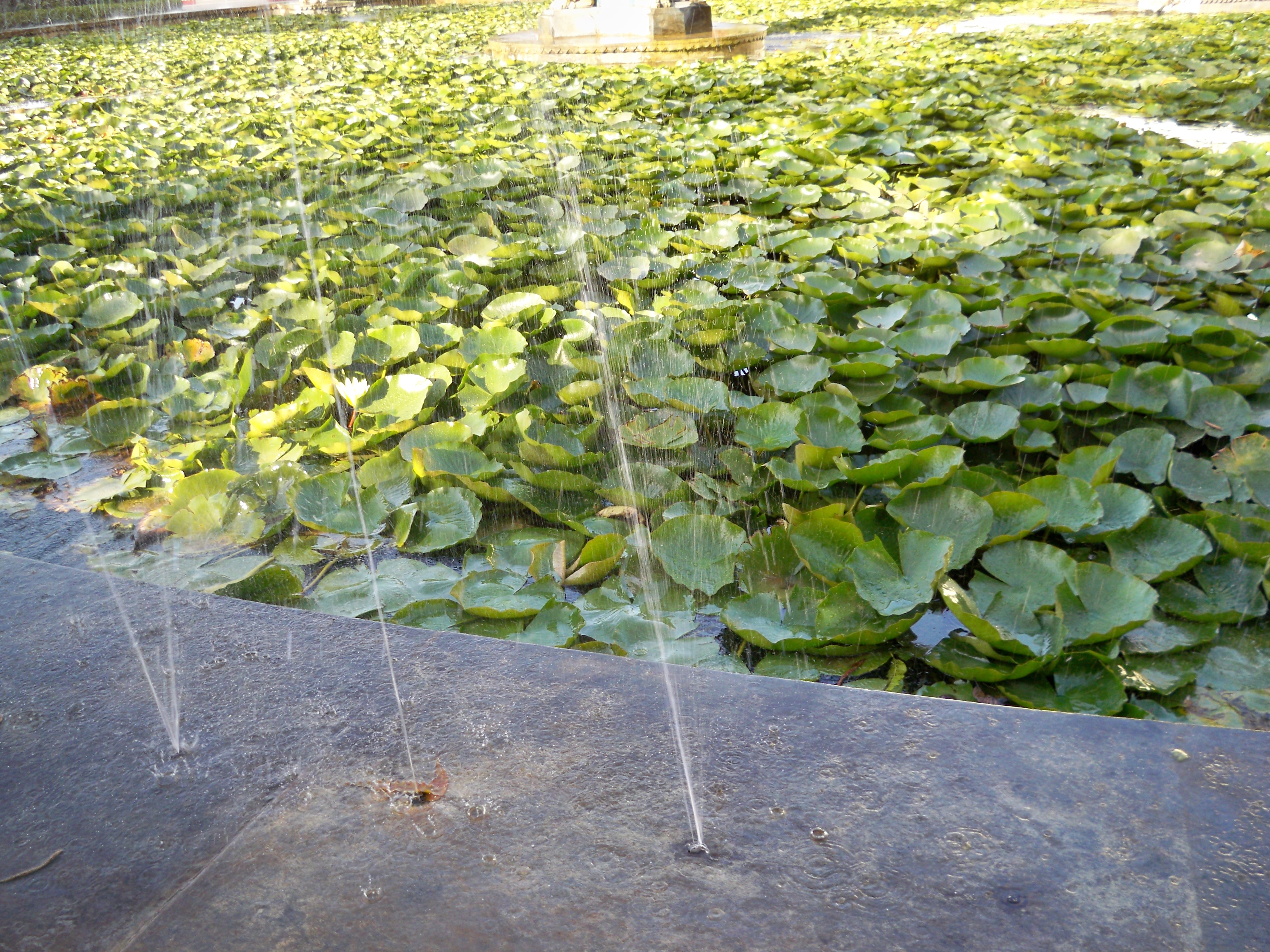
A garden is a peaceful place for relaxation, rest, and contemplation. It can also be a meeting place. Such it was in a garden, Jallianwala Bagh, in Amritsar, Punjab on Sunday, April 15, 1919. The day was one of the Punjab’s largest religious festivals. During this historical period, there was a time of unrest and protest against the British rule and Indian people were not free to move around or meet in groups.This, too, was the case of slaves in the South before the Civil War. Plantation owners feared revolt. Slaves were not taught to read or write and could only congregate on Sundays at church. But these pronouncements in India were published only in English, unread by the many non-English speaking or reading Indians. The group of men, women, and children numbering thousands were meeting to plan a protest of the unjust British laws as well as celebrate the festival. The crowd was peacefully sitting and listening to speakers and no one in the garden was armed.
Without warning, 50 British soldiers walked in through the only entrance to the garden, blocking any means of escape. The soldiers stood in execution lines. General Dyer gave the order to “Fire until all the ammunition is exhausted.” The soldiers shot over 1600 rounds of ammunition into unarmed, defenseless men, women, and children. Desperately trying to escape, people fought to climb the surrounding walls, and locked gates. Still the bullets kept coming. There is a large well in the center and many fleeing people decided to throw themselves and their children into the well to a death by drowning rather than be shot. I thought of the poor people on 9/11 in New York, at the World Trade Center, who decided a quick death by jumping was preferable to waiting to be burned alive. They faced the same death decision as these Indians so many years ago. The well is dry today, and is named the Martyr’s Well. The following is a reenactment of the massacre on YouTube and is a chilling picture of the event.
http://www.youtube.com/watch?v=XE9_zB8k_lk
There is a picture of this” killing field” in the garden and when seeing it, I was reminded of Picasso’s Guiernica, a painting showing the horrors of war. General Dyer was later relieved of his command, but until this day no British leader has apologized for this their bloodiest act in India. Last year David Cameron, the Prime Minister voiced regret, but stopped just short of an apology.
This date in Indian history may well mark the beginning of their long journey for independence from Britain. And on this date, Jallianwala Bagh once known as a peaceful garden, became known as hallowed ground and now a place to remember this merciless massacre.
 |
| .Guernica by Pablo Picasso Madrid, Spain |

 TalesAlongTheWay
Just wanted to share my hiliarious blog with a fellow traveler. Hope you enjoy mine as much as I have enjoyed yours.
http://www.atruetalltale.wordpress.com
LikeLike
I really enjoyed reading this piece, especially the parallels that you have drawn. This indeed was one of the most gruesome incidents of our freedom struggle. This meeting was called to make people aware and peacefully protest the Rowlatt Act of 1919 which gave the authorities the power to imprison anyone without trial. The bullet marks and the well continue to remind us of those who bore the brunt of this horrific act just as Ground Zero reminds us of the victims of one of the worst terror acts of the century. May they all RIP.
LikeLike
I always appreciate your gentle communications adding to the story. Thank you so much , as always. We have to never forget what people who came before us endured in suffering for all of us who have come after to live in freedom. It is such a delicate gift. Yes, may they RIP and never be forgotten! Blessings….namaste. . .. Anne
LikeLike
Although this event was a very important turning-point in the struggle against the British, I think that it goes even further back to 1857, the first united rebellion against the British, staged all over north India.
LikeLike
The Indians have had such a long struggle. I had no idea of the history of the struggle in 1857. Thanks ever so much for letting me know. Namaste. . . .Anne
LikeLike
Reblogged this on Oyia Brown.
LikeLike
Along with the complete cruelty that Dyer exhibited in massacring all those people, I think that equally terrible was the British population’s reaction to the event at that time. Though Dyer was relieved of his command, he was feted by many in Britain, including Rudyard Kipling. He was considered to have ‘saved India for the Empire’.
Unrelated to this, thank you for visiting my blog. I hope you had a good time in my country, and hope you return sometime. There is so much to see and experience!
LikeLike
Thank you for your comments. I have such limited knowledge about Indian history, and I love to learn from the gracious and knowledgeable Indians. I am back in NY . We were in India from January until May. A life changing experience. Most of my blog is about incredible India!
talesalongtheway.com Namaste. . .. Anne
LikeLike
I’ve been to Amritsar, but I absolutely refused to go to Jallianwala Baug. The horror was just too much. I couldn’t bring myself to do it.
LikeLike
I can understand !
LikeLike
http://www.indianexpress.com/news/the-riots-took-place-when-i-was-in-power-so-i-know-i-cant-detach-myself-from-them/1170181/1
Thought you might like to see this if you haven’t!
LikeLike
What an intriguing, albeit sad, post. I wasn’t aware of this awful even until I read this. Very interesting parallels as well. Celeste 🙂
LikeLike
Welcome, Elaine’s friend. Thank you for checking out my blog. It is a very sad story, indeed. Please visit again soon and often. . . .
LikeLike